



By using our website, you agree to the use of cookies as described in our Cookie Policy
Blog
What Makes Historic Homes in Riverside Harder to Paint?
Riverside's older homes carry weight. Not just architectural charm or curb appeal — actual complexity that shows up the second you crack open a paint can. These properties weren't built with modern materials or simple surfaces. They were crafted with detail, layered over decades, and left to weather under California sun and wind. If you think painting one is like painting any other house, you're in for a rude awakening.
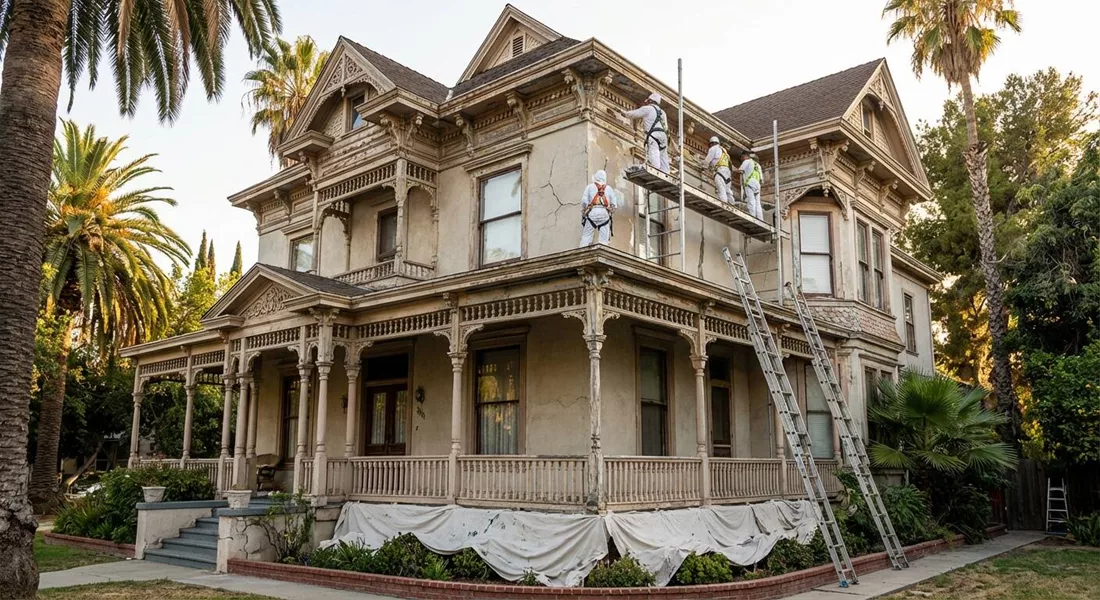
The truth is, historic homes demand more than a roller and a weekend. They require preparation, precision, and a clear understanding of what you're working with. Every surface tells a story — and some of those stories involve lead, rot, or regulations you didn't see coming. Skip the homework, and you'll pay for it in time, money, or both.
Ornamental Features That Slow Everything Down
Walk up to a Victorian or Craftsman in Riverside, and you'll notice the trim work, the corbels, the decorative brackets. Beautiful? Absolutely. Easy to paint? Not even close. These details weren't designed with efficiency in mind. They were built to impress, which means every angle, groove, and edge needs individual attention.
You can't just slap a coat on and call it done. Brushwork becomes surgical. Masking takes twice as long. And if you rush it, the finish shows every mistake. Modern homes give you flat planes and clean lines. Historic homes give you a workout — and a reminder that craftsmanship costs time.
- Intricate woodwork around windows and doors
- Decorative columns and porch railings
- Corbels, brackets, and gingerbread trim
- Multi-layered molding and cornices
- Hand-carved details that can't be taped off cleanly
Lead Paint Isn't a Maybe
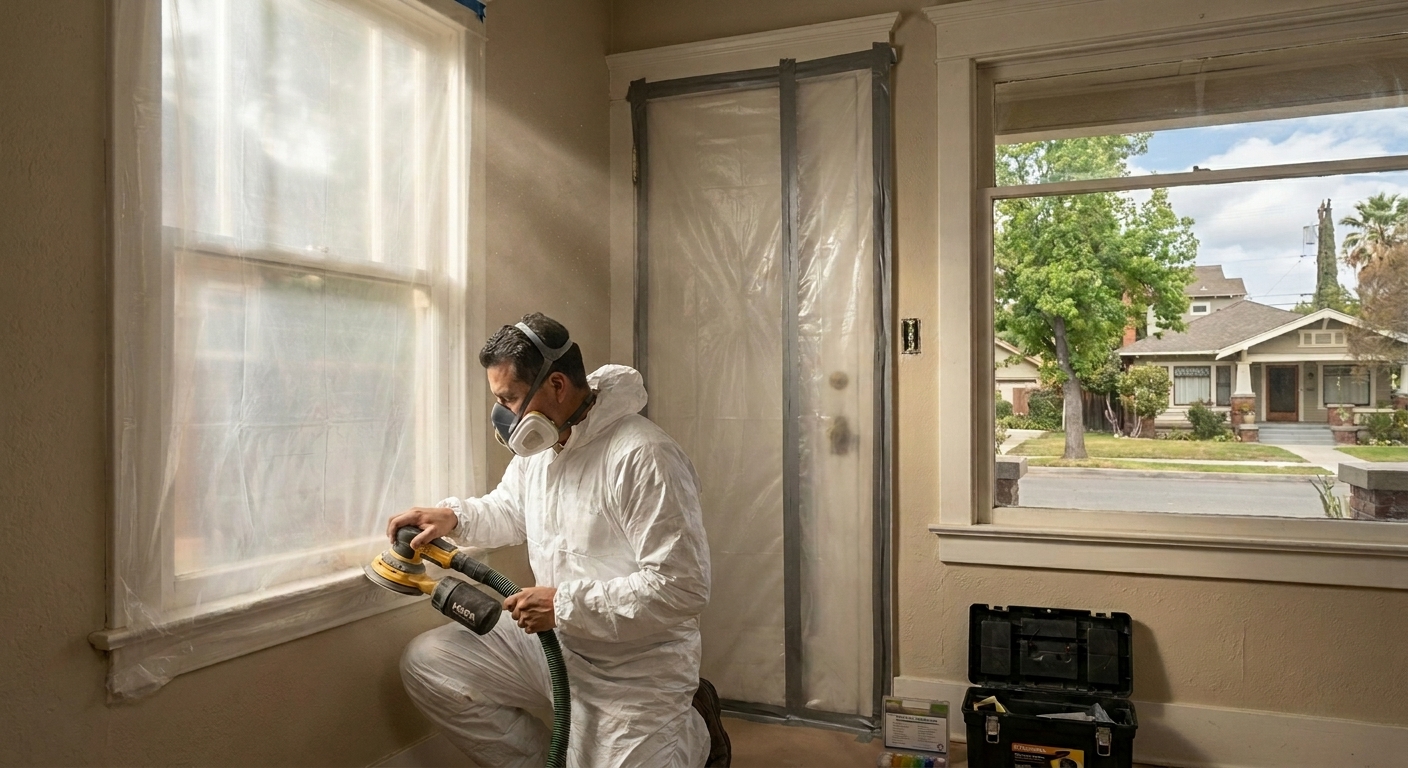
If the house was built before 1978, assume lead is present until proven otherwise. That's not paranoia — that's protocol. Riverside's historic homes were painted during an era when lead was standard, and those layers don't just disappear. They chip, they flake, and they create hazards for anyone scraping or sanding without proper containment.
Testing is mandatory. Removal or encapsulation requires certified professionals. And if you ignore it, you're not just risking your health — you're opening yourself up to liability. The EPA doesn't care if you didn't know. They care if you didn't follow the rules. This isn't a corner you can cut.
- Pre-1978 homes are high-risk for lead content
- Testing kits are cheap; remediation is not
- Scraping or sanding without containment spreads contamination
- Certified lead-safe contractors are required by law in many cases
- Fines for non-compliance can exceed the cost of doing it right
Surfaces That Have Seen Better Days
Decades of sun, rain, and temperature swings leave their mark. Wood warps. Stucco cracks. Paint peels in sheets. And underneath it all, you might find rot, insect damage, or previous repairs that were never done correctly. None of this is visible from the curb, but it all shows up once you start prepping.
Surface prep isn't optional. It's the foundation of the entire job. If the substrate is compromised, the paint won't hold — no matter how premium the product. That means scraping, sanding, filling, priming, and sometimes replacing entire sections before the first finish coat goes on. It's tedious. It's necessary. And it's where most DIY projects fall apart.
- Cracked or crumbling stucco that needs patching
- Rotted wood siding or trim that must be replaced
- Peeling paint layers that require full removal
- Moisture damage from poor drainage or old roofing
- Previous repairs that were cosmetic, not structural
Color Matching Isn't Guesswork
Picking a color for a historic home isn't about personal preference. It's about authenticity. Many neighborhoods have preservation guidelines that dictate acceptable palettes. Even if you're not in a designated district, maintaining period-appropriate colors protects the home's value and character.
That means research. It means consulting historical records or hiring a color consultant. And sometimes, it means custom mixing to match a shade that hasn't been commercially available in decades. Modern paints don't always replicate the depth or finish of older formulations, so achieving the right look can require specialty products or techniques.
- Historical color palettes vary by architectural style and era
- Preservation districts may require approval before painting
- Custom color matching can be expensive and time-consuming
- Period-appropriate finishes may require specialty paints
- Getting it wrong can hurt resale value and neighborhood standing
Permits and Preservation Rules Add Layers
If your home is listed on a historic register or located in a preservation zone, you're not free to paint however you want. Local regulations exist to protect the architectural integrity of these neighborhoods, and they come with paperwork. Permits, color approvals, material restrictions — all of it adds time and complexity to what should be a straightforward project.
Ignoring these rules doesn't make them go away. It just means you might have to redo the work later, at your own expense, after the city flags it. We've seen homeowners forced to strip fresh paint and start over because they didn't check the requirements first. That's not a risk worth taking.
- Historic districts often require permits for exterior changes
- Color and material choices may need approval from a review board
- Non-compliance can result in fines or mandatory corrections
- Approval processes can take weeks or months
- Working with experienced contractors familiar with local rules saves headaches
Getting to the Work Is Half the Battle
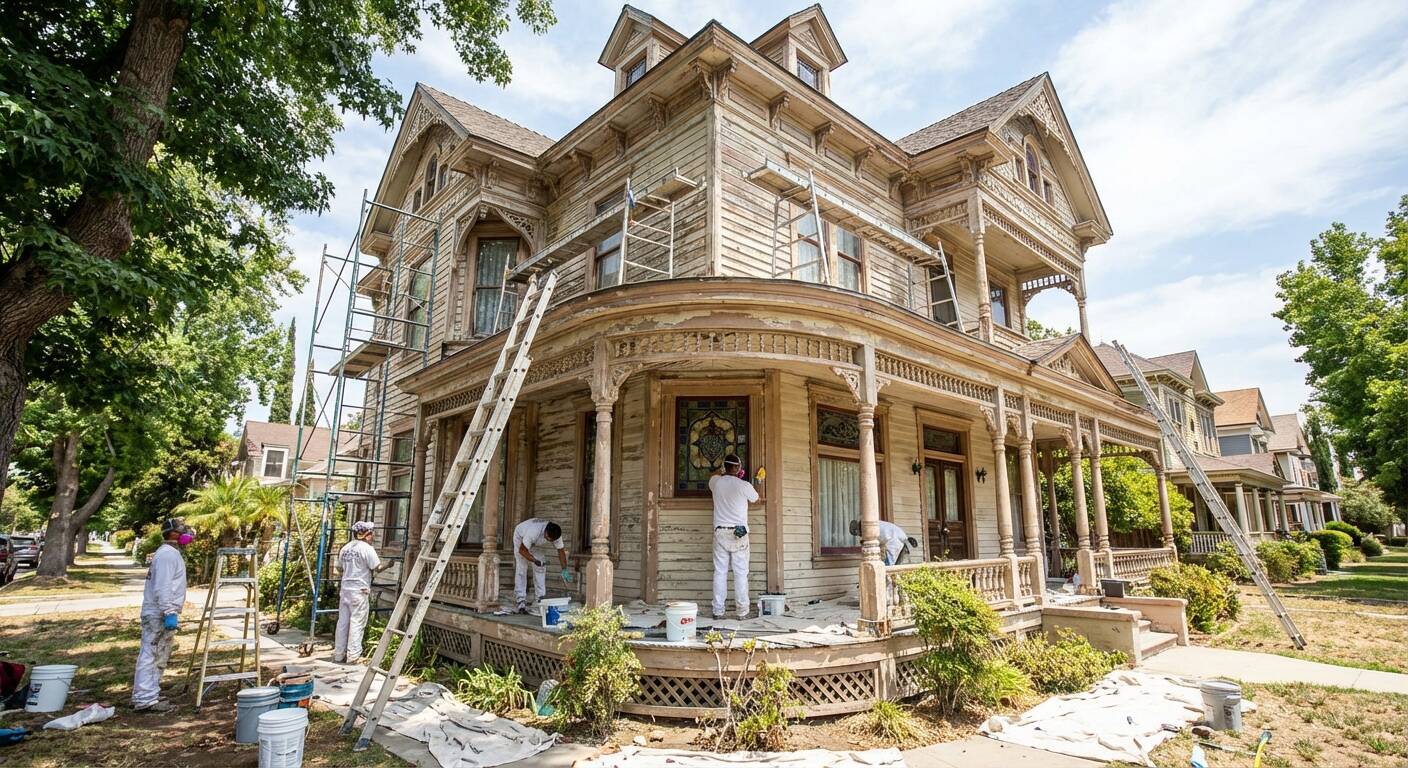
Historic homes weren't designed with modern equipment in mind. Steep rooflines, narrow eaves, and multi-story facades make access difficult. Add in mature landscaping, tight lot lines, or proximity to neighboring structures, and you've got a logistical puzzle that requires scaffolding, lifts, or custom rigging.
Safety isn't negotiable. Neither is protecting the home's original features during the process. That means planning, proper equipment, and workers who know how to navigate these challenges without causing damage. Cutting corners here doesn't save time — it creates liability.
Preparation Beats Speed Every Time
Painting a historic home in Riverside isn't a weekend project. It's a commitment to doing the work right, respecting the structure's history, and understanding that shortcuts lead to failures. The homes that still stand after a century didn't get there by accident. They were built with care — and they deserve the same when it's time to refresh them.
We've worked with enough of these properties to know where the problems hide and how to address them before they become expensive mistakes. Understanding where to look for lead paint and following safe removal methods are critical steps in the process. The goal isn't just a fresh coat of paint. It's a finish that lasts, protects, and honors what makes these homes worth preserving in the first place.
Let’s Protect Your Home’s Legacy Together
Historic homes deserve more than a quick paint job—they need a team that respects their story and knows how to bring out their best. If you’re ready to give your Riverside home the care it deserves, let’s talk about your vision and how we can help make it happen. Call us at 951-785-6765 or schedule an appointment to get started with a team that understands the details that matter most.
‹ Back
Recent Posts
-
-
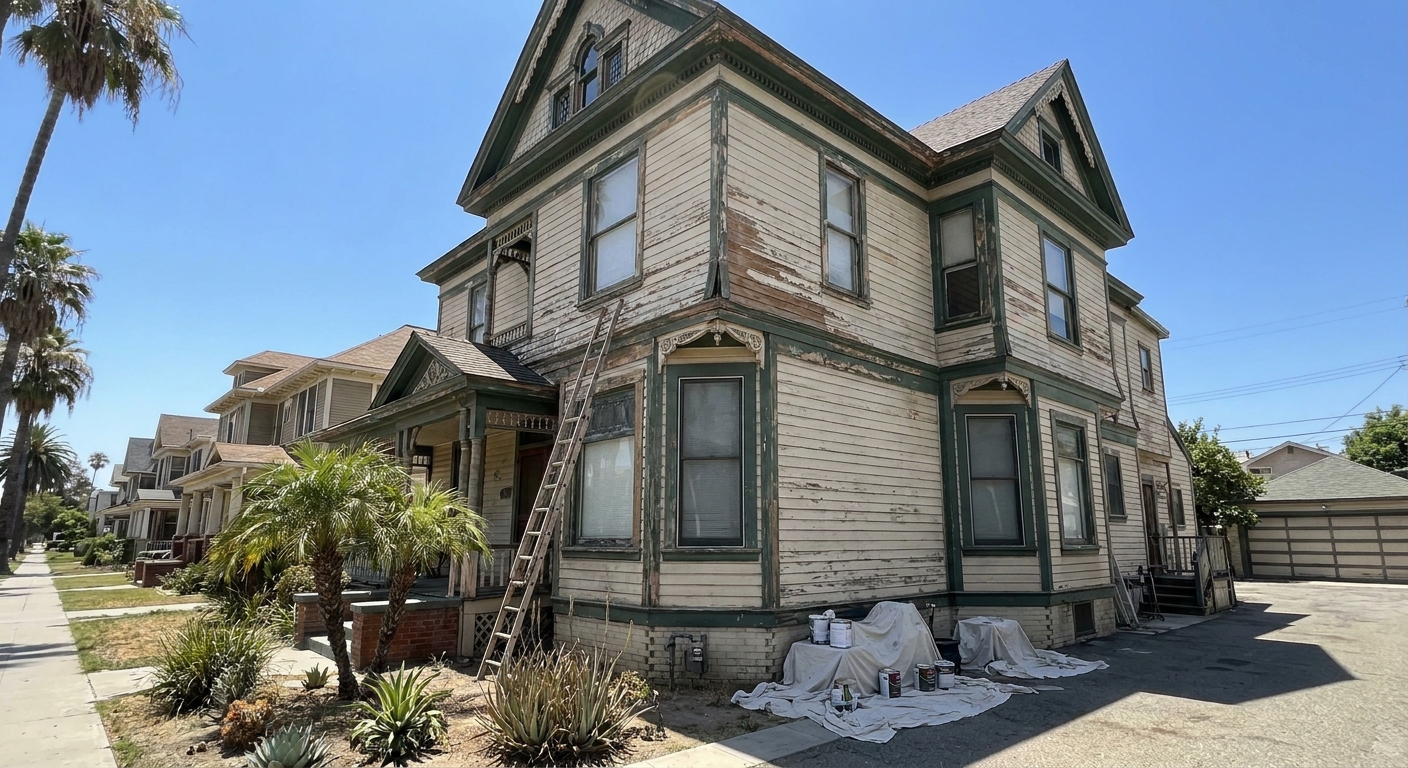
Is Your Historic Home in Riverside Due for a New Paint Job?
September 17, 2026
-

Can Exterior Painting in Riverside Help Protect Stucco Surfaces?
September 3, 2026
-

-
Can Lead Paint Affect Your Remodeling Plans in Riverside?
August 6, 2026