

By using our website, you agree to the use of cookies as described in our Cookie Policy
Blog
Do Interior Paint Fumes Linger Longer in Riverside Homes?
Most homeowners think paint smell is just part of the process. Slap it on the walls, crack a window, wait it out. But those fumes aren't just annoying — they're volatile organic compounds evaporating into your air, and if you're not managing ventilation right, they're sticking around longer than they should. Especially in a place like Riverside, where climate and construction both play a role in how fast those chemicals clear out.
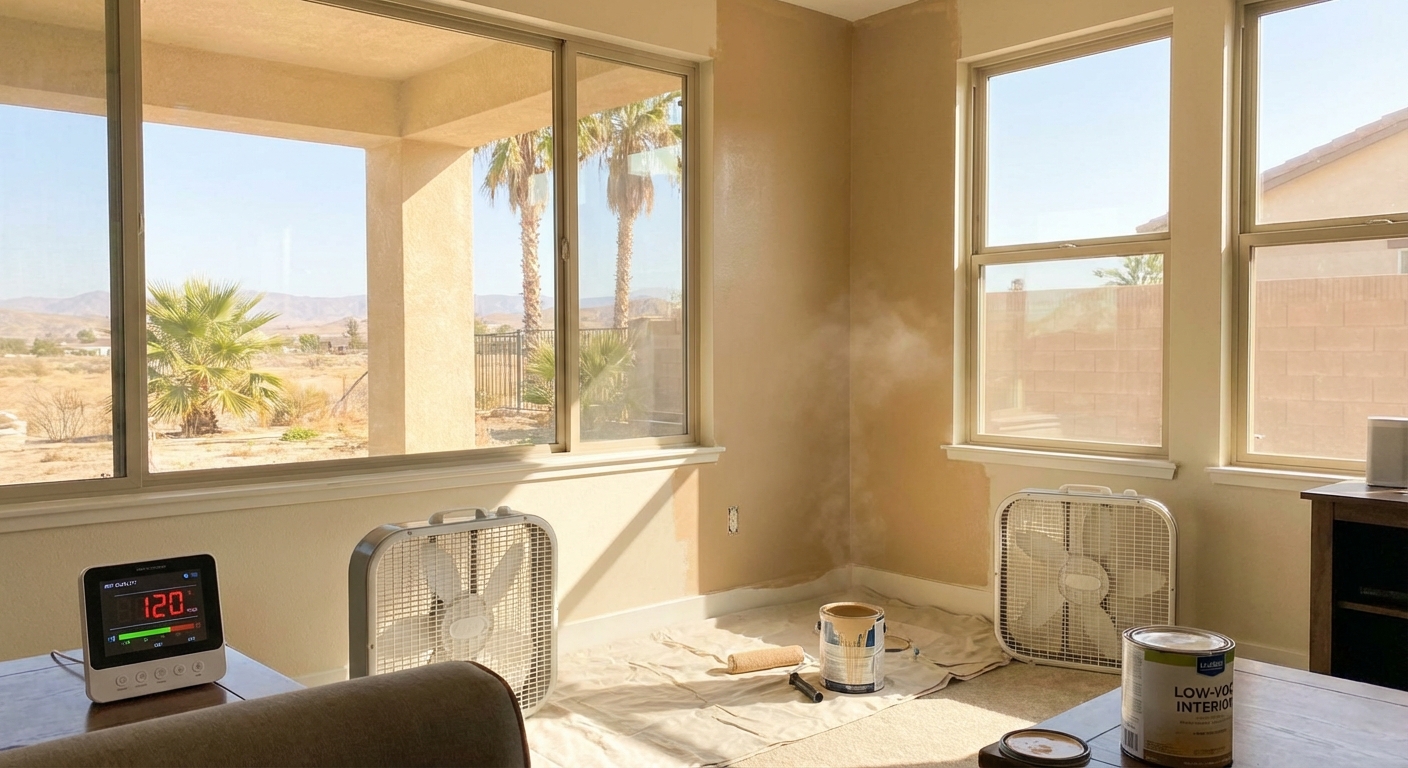
Here's what matters. The paint you pick, the airflow you create, and the way your home is built all determine whether you're breathing clean air in two days or two weeks. You can't control the weather, but you can control how you handle the aftermath. Every window you open matters. Every fan you run counts. And every decision about which product goes on your walls should factor in what happens after the brush hits the surface.
Heat Speeds Drying But Traps the Smell
Riverside sits in a climate zone that runs hot and dry most of the year. That heat helps paint cure faster, which sounds like a win. But when temperatures spike, most people seal up their homes and crank the AC. That means closed windows, recycled air, and nowhere for those VOCs to go.
Summer projects are popular because the weather's predictable. But if you're painting in July with every door shut tight, you're creating a containment zone. The fumes don't vanish just because the paint dried. They hang in the air until something pushes them out. And if your HVAC system isn't equipped with the right filters, it's just circulating the same contaminated air through every room.
Ventilation Isn't Negotiable
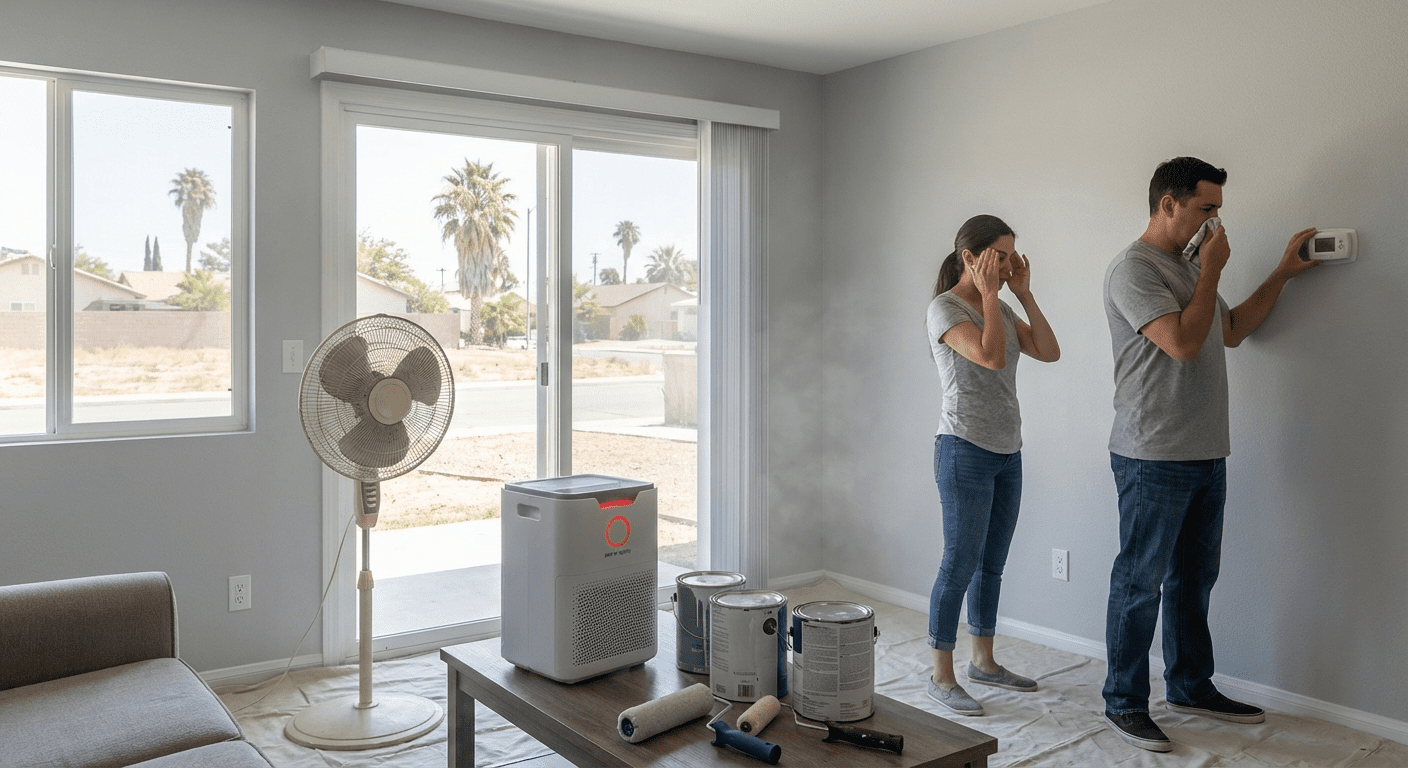
You can't shortcut airflow. Dust and pollen might make you hesitant to throw open the windows, but trapping VOCs inside is worse. Cross-ventilation is the fastest way to clear a space — open windows on opposite sides of the room and let the air move through.
Fans help, but placement matters. Point them toward open windows to push fumes out, not just around. If outdoor air quality is a concern, run an air purifier with an activated carbon filter. Standard HEPA filters won't touch VOCs. You need something designed to absorb gases, not just trap particles.
Not All Paint Is Created Equal
Oil-based formulas are the worst offenders. High VOC content, strong odor, and a smell that can last weeks if ventilation is poor. Water-based latex paints are better, but even those vary. Some brands load up on solvents that off-gas for days.
Low-VOC and zero-VOC options exist for a reason. They're not just marketing. These paints are formulated to minimize chemical release, which means less smell and fewer health risks. If you've got kids, pets, or anyone with respiratory issues in the house, this isn't optional. It's the baseline. Choosing the right paint for each room should always factor in VOC content and ventilation requirements.
- Oil-based paints release more VOCs and take longer to off-gas completely
- Water-based latex formulas are cleaner but still vary by brand
- Low-VOC paints cut down on fumes without sacrificing coverage
- Zero-VOC options are ideal for bedrooms, nurseries, and enclosed spaces
- Check the label for VOC content in grams per liter before you buy
Older Homes Breathe, Newer Ones Don't
Construction style affects how long fumes stick around. Older Riverside homes tend to have more gaps, drafts, and natural airflow. That's not always great for energy efficiency, but it helps clear out VOCs faster. Newer builds are sealed tight to meet modern standards, which traps everything inside.
If your home was built in the last twenty years, assume it's airtight. That means you'll need to work harder to ventilate. Mechanical ventilation systems help, but only if they're running and properly maintained. Otherwise, you're relying entirely on manual airflow — and that only works if you're proactive about it.
- Older homes with drafts naturally expel fumes faster
- Energy-efficient builds trap VOCs without active ventilation
- Mechanical systems need clean filters to handle off-gassing
- Sealing gaps improves efficiency but requires intentional airflow strategies
- Portable air movers can supplement built-in ventilation during projects
Timing Your Project Makes a Difference
Paint when you can leave windows open for at least 48 hours straight. That means avoiding the peak heat of summer and the occasional Santa Ana wind events that kick up dust. Spring and fall offer the best conditions — mild temps, lower pollen counts, and weather stable enough to keep airflow going without turning your home into a sauna or a dust bowl. Understanding the best time of year to schedule exterior painting in Riverside applies to interior work as well when ventilation is a priority.
If you're stuck painting during a hot stretch, do it early in the day and ventilate aggressively before the afternoon heat forces you to close up. Night ventilation works too, as long as outdoor air quality is decent and you're not inviting pests inside.
- Spring and fall provide the best ventilation windows
- Early morning painting allows for daytime airflow before peak heat
- Avoid painting during Santa Ana wind events or high pollen days
- Night ventilation works if outdoor air is clean and temps are comfortable
- Plan multi-room projects in phases to avoid overwhelming your HVAC system
What to Do While the Paint Cures
Drying and curing aren't the same thing. Paint might feel dry to the touch in a few hours, but full curing — when VOCs stop releasing — can take days or even weeks depending on the formula. During that time, keep airflow going and limit time spent in the freshly painted space.
If you painted a bedroom, sleep somewhere else for at least two nights. If it's a living area, keep windows cracked and fans running even after the smell fades. Just because you can't detect it doesn't mean the off-gassing has stopped. Home office paint colors should be selected with low-VOC formulas to maintain healthy air quality in spaces where you spend extended hours.
- Dry-to-touch doesn't mean VOCs have stopped releasing
- Full curing can take up to 30 days for some paints
- Avoid sleeping in freshly painted rooms for at least 48 hours
- Keep ventilation going even after the smell disappears
- Use carbon-filter air purifiers during the curing period
When to Bring In Help
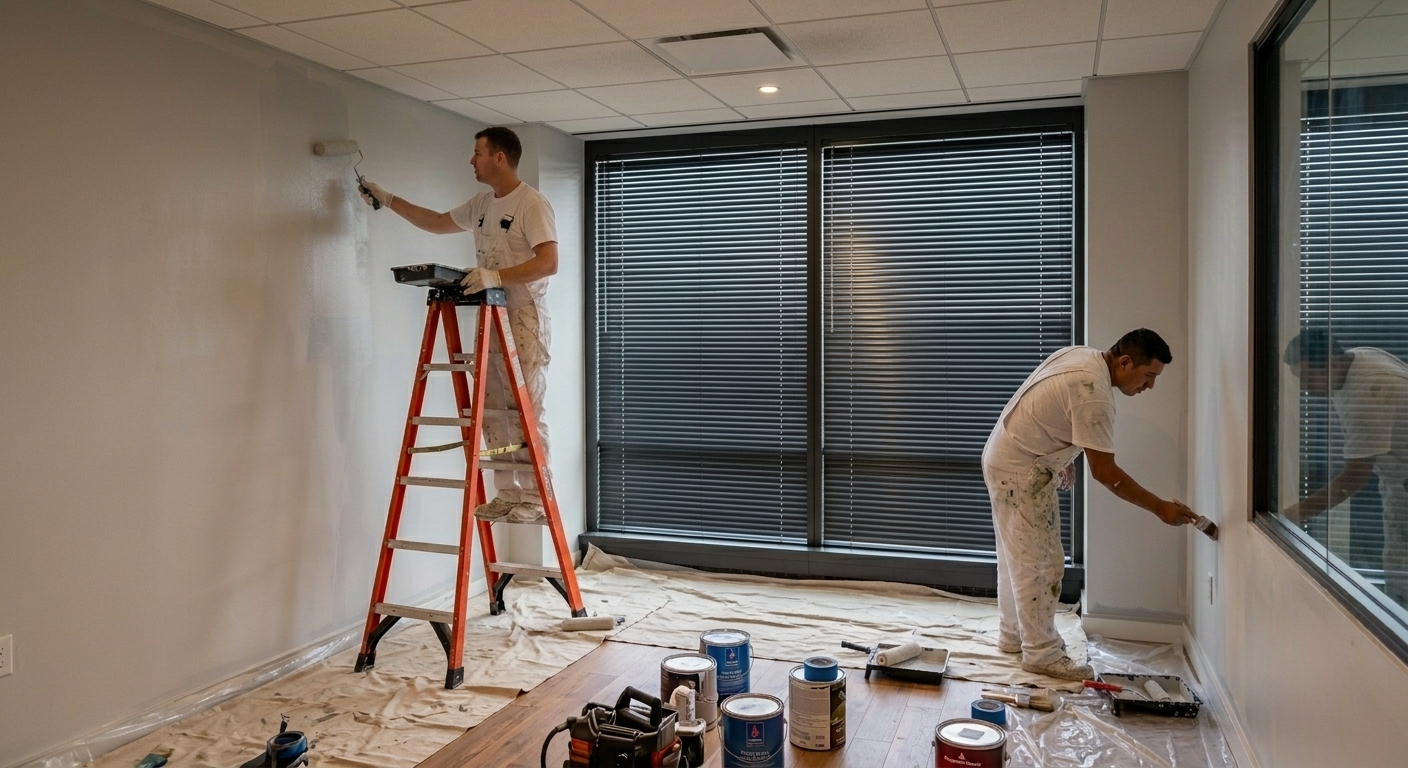
If you're dealing with a large project, multiple rooms, or a home with poor ventilation, don't wing it. Professional residential painting services know how to manage fumes, stage work to minimize exposure, and recommend products that won't turn your house into a chemical cloud. They also have access to commercial-grade ventilation equipment that moves air faster than a box fan ever will.
And if someone in your household has asthma, allergies, or chemical sensitivities, this isn't the time to DIY. The cost of hiring a pro is nothing compared to the health risks of prolonged VOC exposure in an enclosed space. How paint color affects small spaces is important, but so is ensuring those spaces remain safe to occupy during and after the painting process.
- Pros manage ventilation and staging to reduce exposure
- Commercial equipment clears fumes faster than consumer-grade fans
- They know which products off-gas the least
- Hiring help is essential if anyone in the home has respiratory issues
- Proper prep and cleanup reduce lingering odors and contamination
Fumes Don't Have to Be a Gamble
Riverside's climate gives you some advantages — heat speeds drying, and dry air doesn't hold moisture that slows curing. But those same conditions make it tempting to seal up your home, and that's where things go sideways. Fumes linger when airflow stops. They clear when you give them somewhere to go.
Pick the right paint. Plan for ventilation. Don't assume the smell fading means the air is clean. And if you're not sure how to handle it, contact us to get someone who is. Your lungs will thank you, and your home will be livable a lot faster than if you just hope for the best.
Let’s Clear the Air Together
We all want our homes to look great without sacrificing the air we breathe. If you’re ready to refresh your space but want to make sure the job is done safely and efficiently, let’s talk. Give us a call at 951-785-6765 to discuss your project, or schedule an appointment and let’s make your next painting project a healthy success from start to finish.
‹ Back
Recent Posts
-
Are Your Riverside Tenant Improvements Ready for Painting?
October 15, 2026
-
-

Is Your Historic Home in Riverside Due for a New Paint Job?
September 17, 2026
-

Can Exterior Painting in Riverside Help Protect Stucco Surfaces?
September 3, 2026
-