



By using our website, you agree to the use of cookies as described in our Cookie Policy
Blog
Are Lead-Based Paint Hazards in Riverside Homes Putting Your Family at Risk?
Most Riverside homeowners think old paint is just cosmetic. Peeling here, chipping there. But the EPA sees more than that — and if you don't, you're asking for trouble. Lead doesn't announce itself. It hides under fresh coats, settles into dust, and waits for the wrong moment to become a problem. Especially if you're renovating or raising kids under six.
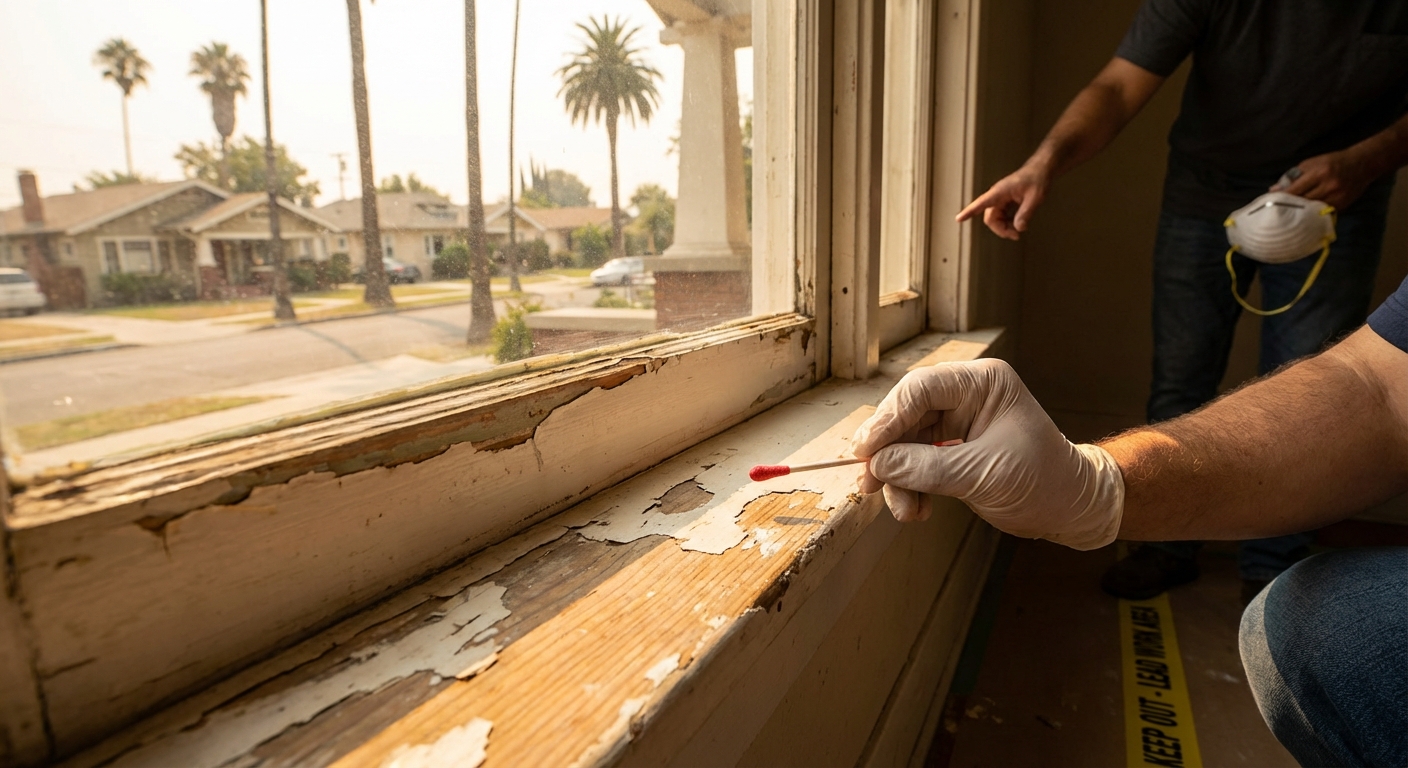
So here's the deal. If you're living in a home built before 1978, that's not just character — it's a red flag. Don't treat those walls like they're harmless. Every surface should be tested. Every renovation needs containment. And every health decision should be grounded in what's actually there — not just what you hope isn't.
When Paint Isn't Just Paint
Nine times out of ten, intact lead paint won't hurt you. It sits there, sealed under layers, doing nothing. The EPA doesn't care how old your house is, only whether the paint is deteriorating and whether anyone's disturbed it.
But if that surface starts breaking down? Different story. Chipping paint becomes dust. Dust becomes airborne. And when kids crawl on floors or put hands in mouths, lead gets into bloodstreams. We saw this play out in real time across California. Plenty of families thought older homes were safe — they weren't. And when exposure gets flagged, doctors expect to see elevated blood levels unless you caught it early.
The Surfaces That Matter Most
You can't assume every room is equal. Lead wasn't applied randomly — it showed up in specific places, and those are the zones that demand attention.
Here's where risk concentrates:
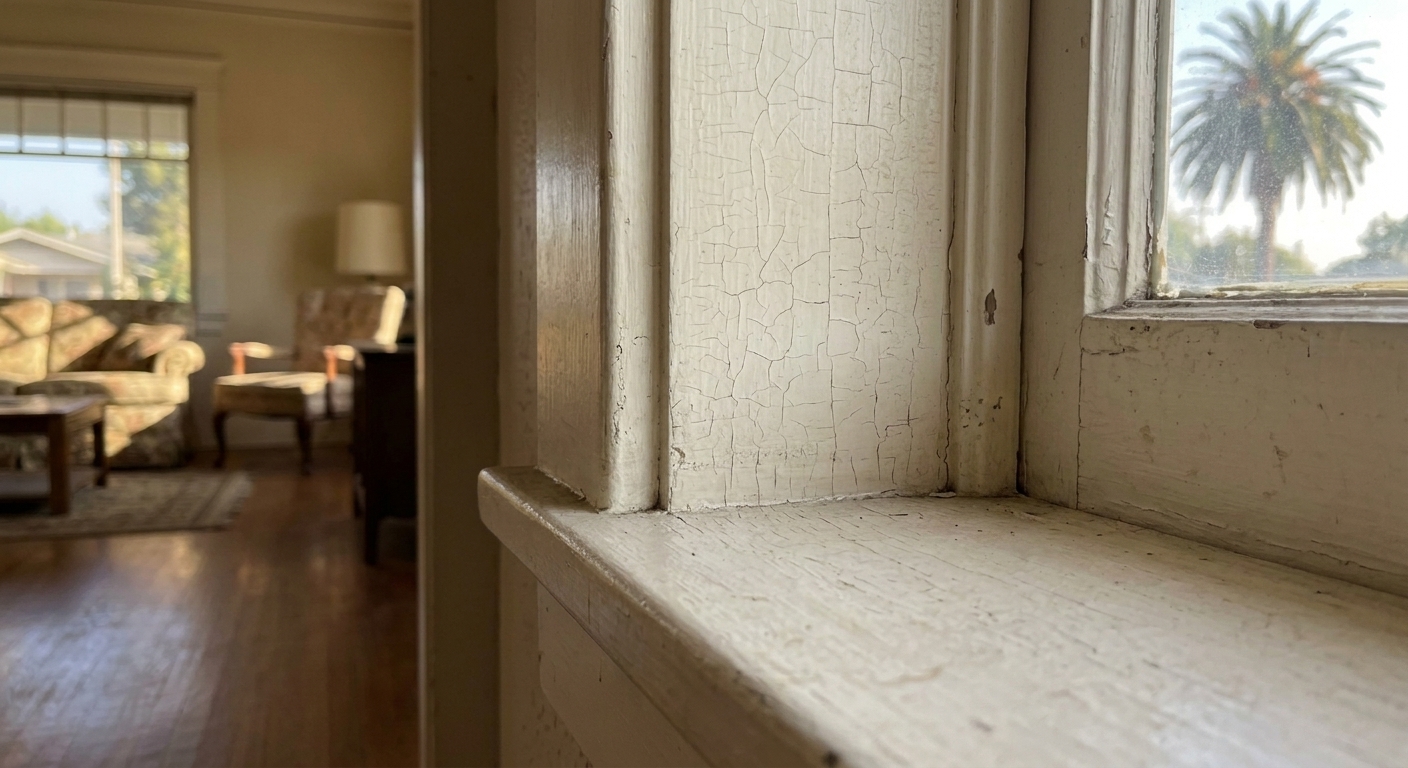
- Window frames and sills where friction wears paint down faster
- Doorways and trim that get bumped, scraped, and handled daily
- Exterior siding exposed to weather and UV breakdown
- Porches and railings where kids play and paint flakes accumulate
- Stairwells with high traffic and constant contact points
Testing Beats Guessing Every Time
Want to know if your home is safe? You'll need to prove it — and that means testing, not assumptions.
The EPA has three main checkpoints:
- You hire a certified lead inspector, not just a handyman with a kit
- You test paint, dust, and soil if kids play outside
- You get lab results, not just a color-change swab that might miss embedded layers
Fail one of those, and the assessment falls apart. Even if the house looks clean. And if any surface tested positive? That zone's off-limits until it's handled correctly. No partial fixes with a coat of primer and hope.
Riverside Homes Carry Higher Odds
If your neighborhood has homes averaging more than forty-five years old, there's a ceiling on how safe you can assume things are. California housing stock from the '60s and '70s kicks in with elevated lead probability.
You'll need to check records and run the tests to see what's actually present. Most Riverside families won't find lead in every room — but those that do need to be strategic. Especially if they're planning kitchen remodels or nursery prep.
Your Safety Plan Is Only As Good As Your Records
Want to keep your family protected? Show your work. You'll need more than a few assumptions to back up your claims of safety.
- The inspection report, signed and dated by a certified professional
- Lab results showing lead levels in paint, dust, and soil
- Abatement records from licensed contractors if work was done
- Clearance testing proving the home is safe post-remediation
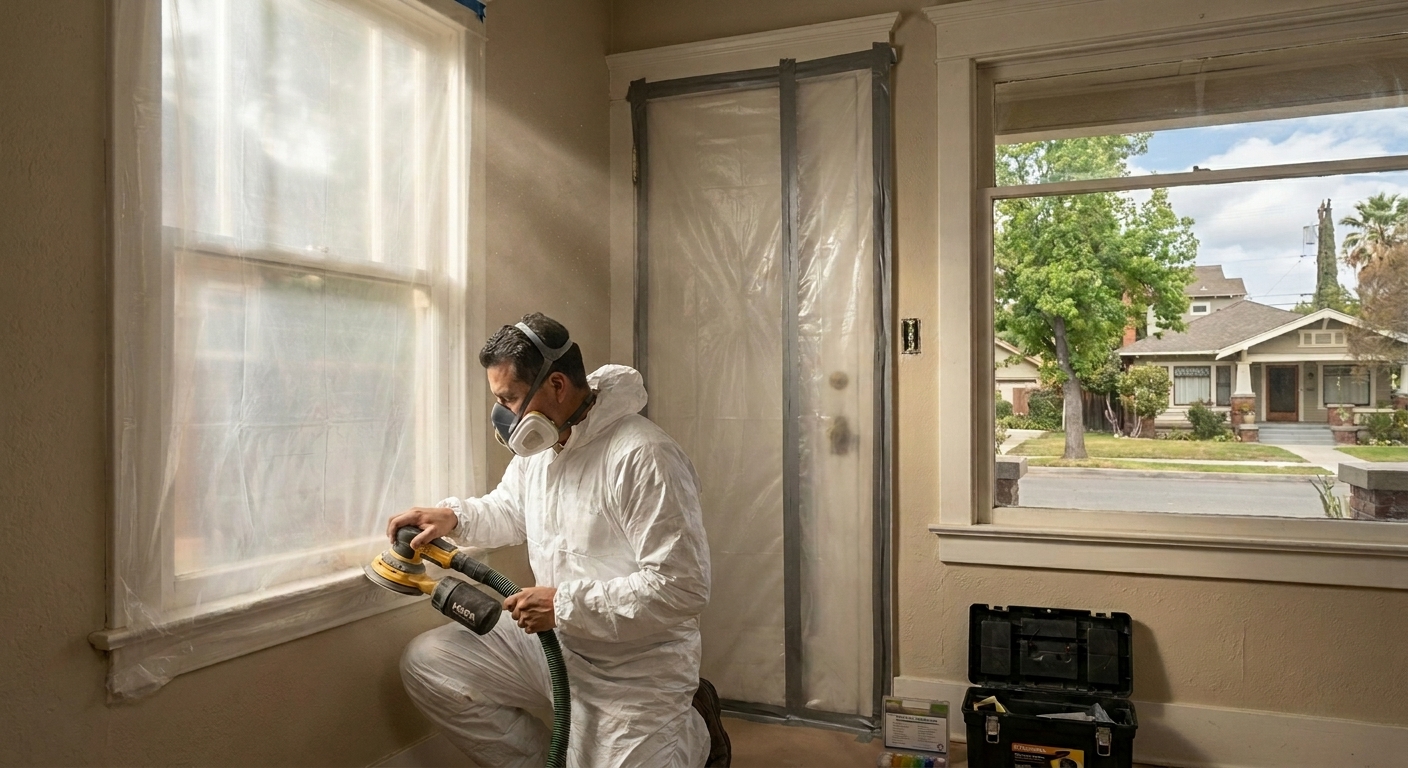
If a pediatrician comes asking, they won't just take your word for it. Mixing DIY repairs with lead zones is one of the fastest ways to create exposure. So if that window you sanded last weekend tested positive, you'd better have containment proof.
Where Most Homeowners Mess Up
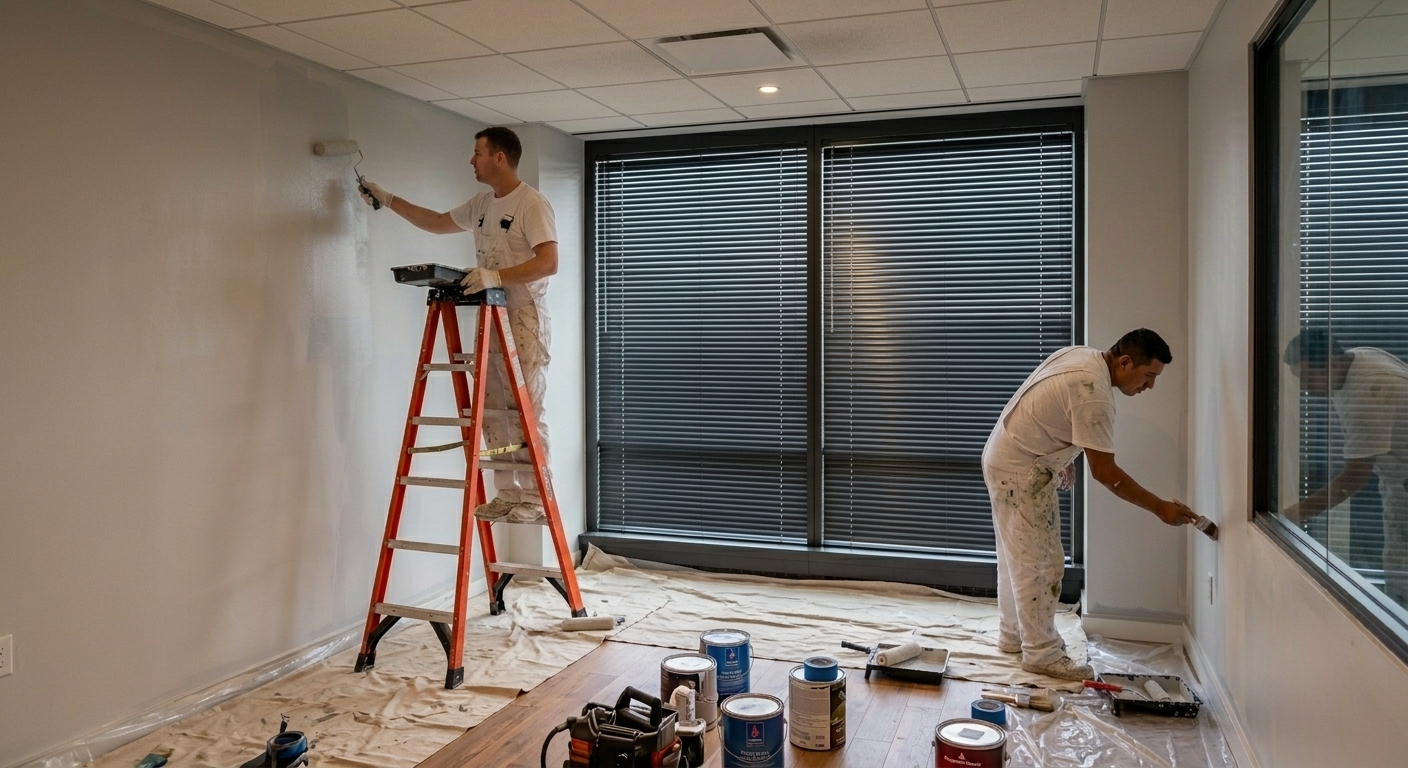
Trying to scrape and paint over lead like it's no big deal? The EPA won't find that clever. Sloppy renovation habits can cost you real health or even raise enforcement flags. Most families play it safe by hiring professional painters for historic homes or bringing in inspectors — and plenty stay on track by following best practices for lead-safe work.
Don't wait until symptoms appear to dig up test kits and sort safe zones from danger areas. If you miss hazards, you're gambling with development. If you overreact without data, you risk unnecessary expense across your budget. Test first. It's boring. It works.
When Blood Levels Spike
If your child received an elevated lead test or had symptoms that raised concern, that's a red flag area. If you didn't identify the source — or just didn't follow up with home testing — the exposure may continue. Reference CDC guidelines and don't guess. That's what environmental health professionals are for.
Bringing In Certified Help
If your home includes multiple risk zones, peeling exteriors, or anything you're planning to disturb, you're in territory where DIY gets dangerous.
A certified pro helps you:
- Identify which surfaces contain lead and which don't
- Apply containment and removal methods correctly if levels are high
- Separate living areas from work zones cleanly
- Handle clearance testing after abatement
- Keep your family safe and compliant with California law
It's not just about lowering risk this year. It's about setting up clean habits that keep your home safe and livable for the long haul.
Safety Moves With a Paper Trail
Living in an older home isn't the hard part. Protecting your family the right way — and proving you did it when questions arise — that's where homeowners get caught off guard. There's no excuse for sloppiness when the testing is available. But there's also no forgiveness when you blow past the warnings and someone gets hurt. Understanding where to look for lead paint in your historic Riverside home is the first step toward protecting your family. If you're planning renovations, knowing the steps to take before painting can prevent dangerous exposure. When lead is confirmed, only safe methods to remove lead paint should be used. For comprehensive support, consider lead-based paint abatement services from certified professionals. If you need expert guidance, contact us to discuss your home's specific needs, or contact us for a thorough assessment.
Let’s Make Your Riverside Home Safer Together
We all want peace of mind when it comes to our families and our homes. If you’re ready to take the next step toward a lead-safe environment, let’s work together to identify and address any risks before they become a problem. Give us a call at 951-785-6765 or schedule an appointment—we’re here to help you protect what matters most.
‹ Back
Recent Posts
-
-
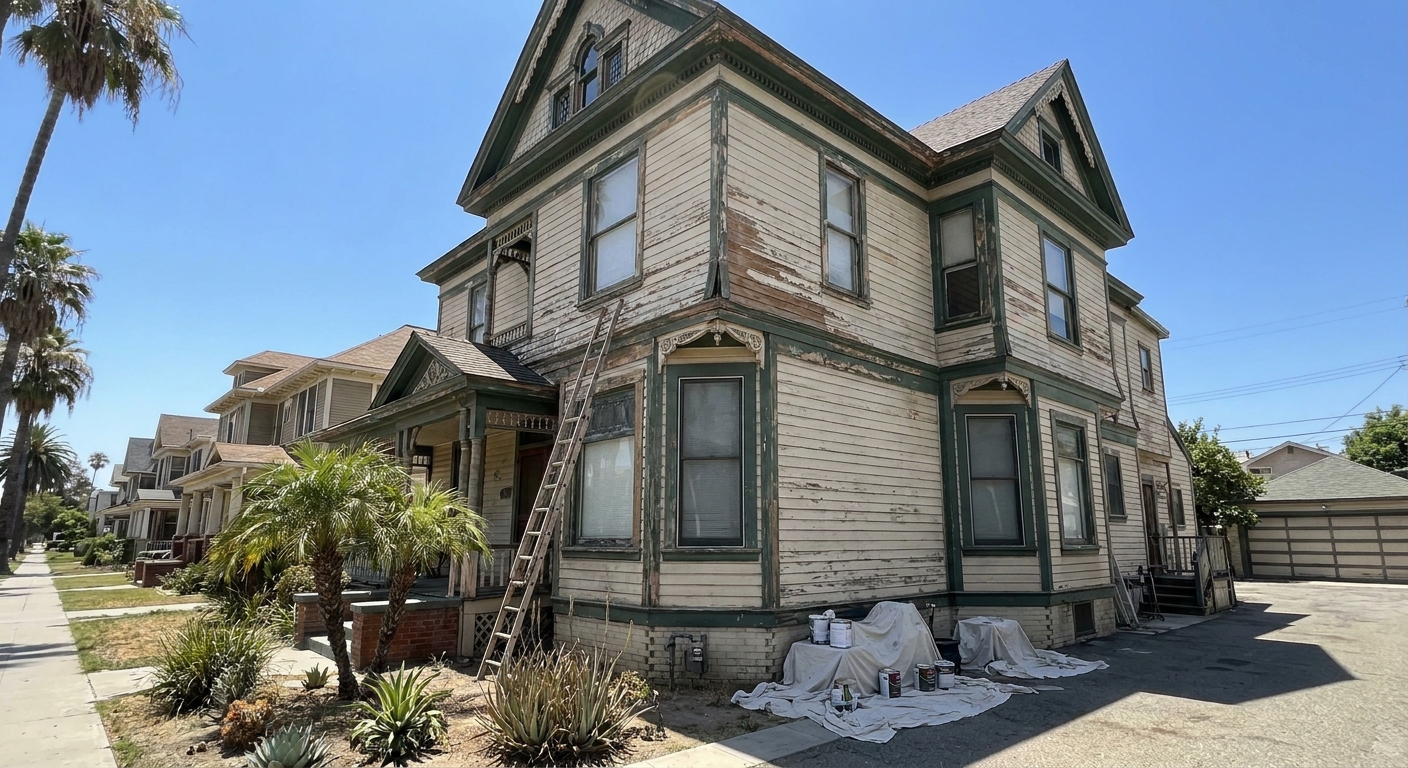
Is Your Historic Home in Riverside Due for a New Paint Job?
September 17, 2026
-

Can Exterior Painting in Riverside Help Protect Stucco Surfaces?
September 3, 2026
-
-
Can Lead Paint Affect Your Remodeling Plans in Riverside?
August 6, 2026