

By using our website, you agree to the use of cookies as described in our Cookie Policy
Blog
Do You Need Lead-Based Paint Testing Before Renovating a Home in Riverside?
Most homeowners think renovations are just about aesthetics and upgrades. New countertops, fresh paint, maybe a wall knocked down. But if your Riverside home was built before 1978, there's a hidden hazard that could turn your dream project into a health nightmare. Lead-based paint doesn't announce itself. It sits quietly under layers of newer finishes, waiting for a sander or sledgehammer to release it into the air you breathe.
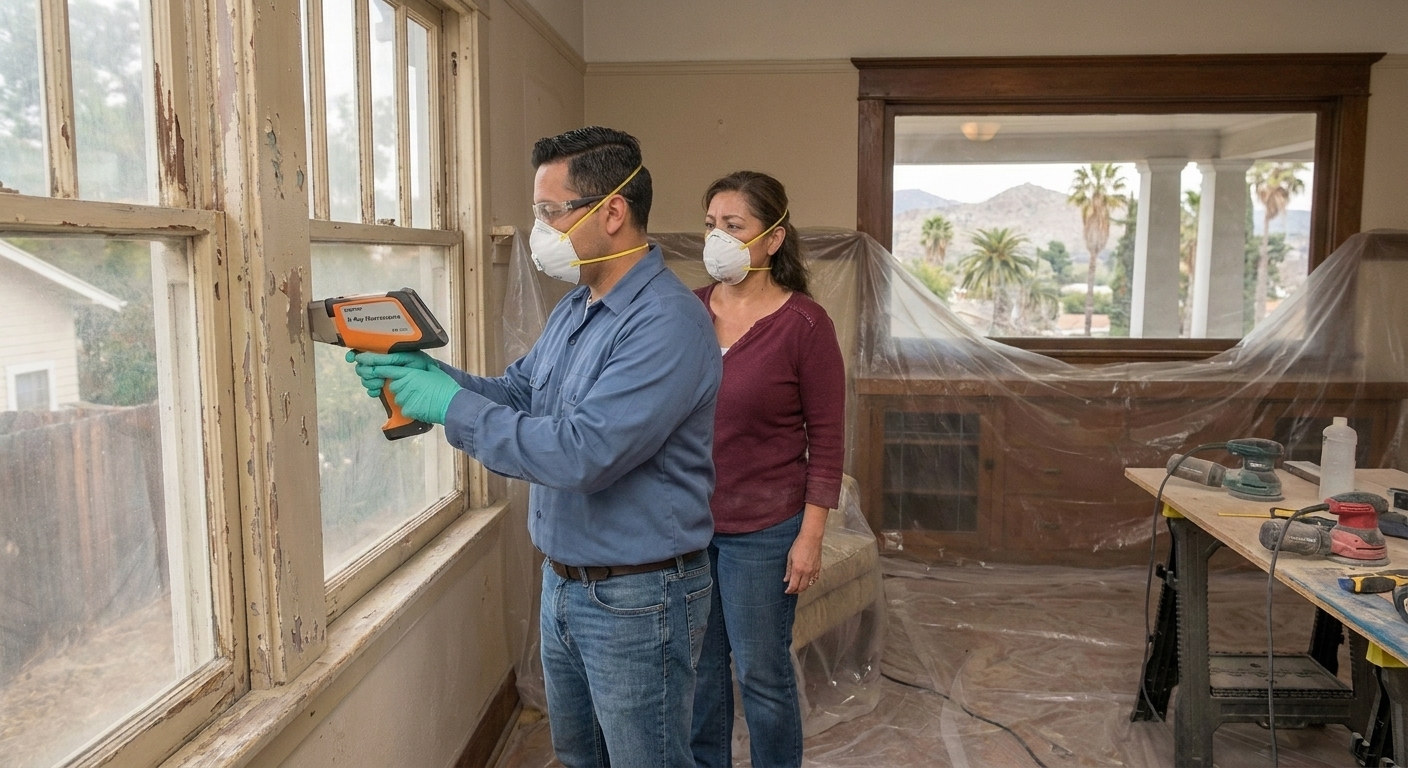
Here's what matters. Testing isn't just a suggestion—it's a safeguard. And in many cases, it's the law. Whether you're hiring a crew or swinging the hammer yourself, knowing what's lurking in those walls changes everything. Every surface you disturb should be treated with respect. Every decision should be grounded in what's actually there—not what you hope isn't.
When Paint Becomes a Poison
Lead was a staple in residential paint until the federal ban dropped in 1978. Before that, it was everywhere—walls, trim, doors, window frames. The metal made paint durable and vibrant, but it also made it toxic. Children are the most vulnerable. Their developing brains and bodies absorb lead more readily, leading to learning disabilities, behavioral issues, and permanent neurological damage. Pregnant women face risks too, as lead crosses the placental barrier and harms the fetus.
Adults aren't off the hook either. Chronic exposure can spike blood pressure, damage kidneys, and mess with reproductive health. The real danger kicks in during renovation. Sanding, scraping, or demolishing painted surfaces creates dust and chips that settle on floors, furniture, and skin. One project can contaminate an entire home if you're not careful.
The Rules Aren't Suggestions
Riverside falls under federal and state regulations that treat lead-based paint seriously. The EPA's Renovation, Repair and Painting Rule applies to any pre-1978 home undergoing work that disturbs painted surfaces. Contractors must be certified and follow lead-safe practices—no exceptions. Homeowners doing their own work aren't legally required to certify, but ignoring the risk is reckless.
If you're selling or renting the property, disclosure laws kick in. You're required to inform buyers or tenants about known lead hazards and provide them with an EPA-approved pamphlet. Skipping this step can trigger lawsuits and fines. Testing before you start work isn't just smart—it's often mandatory if you want to stay compliant and avoid penalties that can reach tens of thousands of dollars.
Why Guessing Doesn't Cut It
You can't eyeball lead. It doesn't have a smell or a telltale color. Testing is the only way to know for sure, and here's why it's non-negotiable:
- You protect everyone in the house from exposure that can cause irreversible harm
- You avoid legal trouble if you're hiring contractors who are required to test or assume presence
- You plan smarter and budget better when you know what you're dealing with upfront
- You eliminate the guesswork and move forward with confidence instead of crossing your fingers
- You prevent contamination that could cost more to clean up than the renovation itself
How Testing Actually Works
Professional testing is the gold standard. Certified inspectors use tools and methods that deliver reliable results. X-Ray Fluorescence devices scan surfaces without damaging them, giving instant readings on lead content. Paint chip sampling involves collecting small pieces of paint and sending them to a lab for analysis. Dust wipe sampling checks for lead particles on floors and windowsills, especially useful after work is done.
DIY kits exist, but their accuracy is hit or miss. They might give you a rough idea, but they won't hold up if you need documentation for contractors, buyers, or regulators. For major renovations or legal compliance, hire a certified lead inspector or risk assessor. The cost is minimal compared to the consequences of getting it wrong.
What Happens When You Find It
Discovering lead-based paint doesn't mean your project is dead. It means you need to adjust your approach. Certified contractors know how to contain work areas, use HEPA vacuums, and minimize dust. Encapsulation—sealing the paint with a special coating—can be a cost-effective solution if the surface is in good shape. Full removal is an option too, but it requires strict protocols to avoid spreading contamination.
The key is following EPA guidelines and local codes. Cutting corners might save time in the short term, but it puts everyone at risk and opens you up to liability. Safe methods to remove lead paint aren't complicated, but they do require planning and the right equipment. Don't assume you can wing it.
The Mistakes That Cost the Most
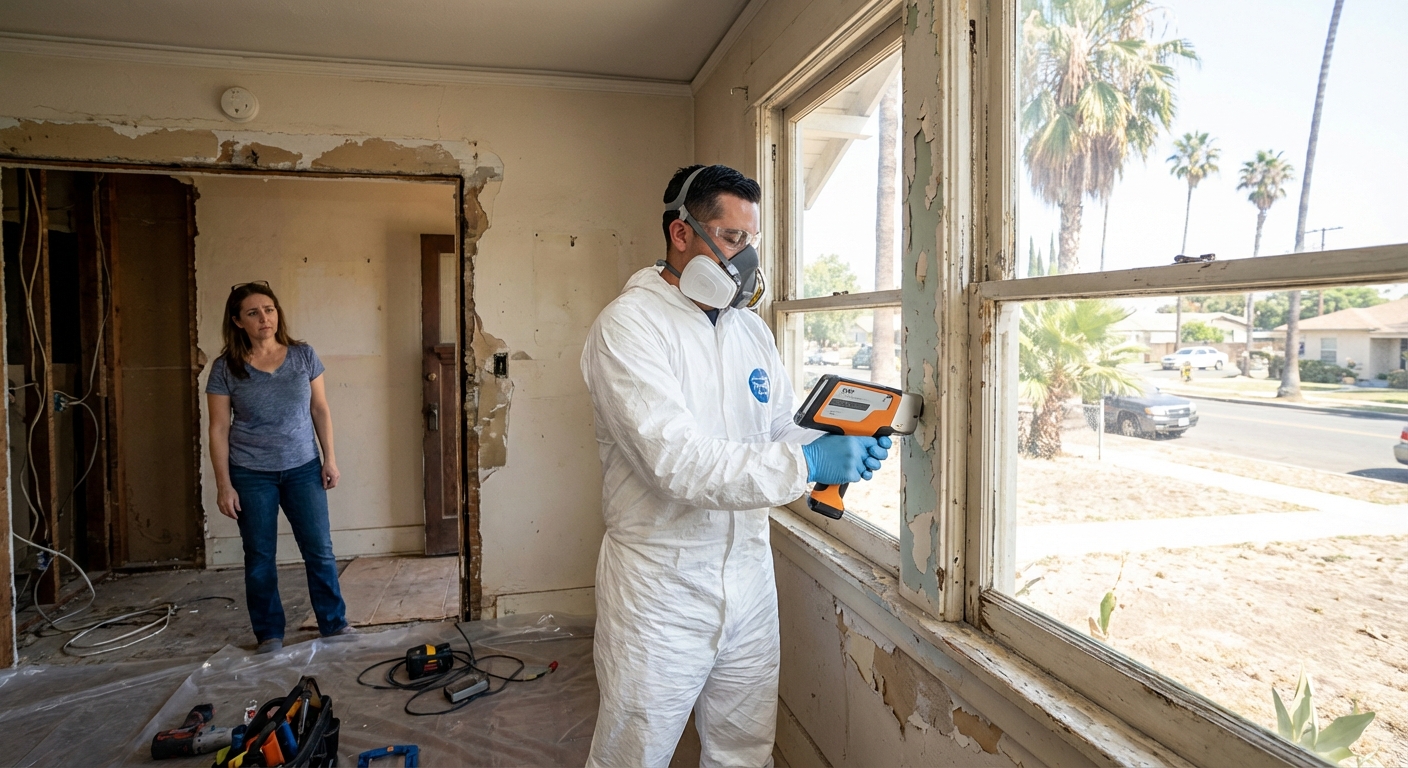
Homeowners trip up in predictable ways when it comes to lead and renovations:
- Skipping the test and assuming the paint is safe because it looks fine
- Hiring unlicensed contractors who don't follow RRP rules and leave you holding the bag
- Using regular cleaning methods instead of HEPA filtration and wet wiping after work
- Letting kids or pregnant women stay in the house during demolition or sanding
- Failing to document testing and remediation, which can haunt you during a sale
Protecting What Matters
Renovating a Riverside home built before 1978 without testing for lead-based paint abatement services is a gamble you can't afford to take. The health risks are real. The legal requirements are clear. And the peace of mind that comes from knowing what you're working with is priceless. Testing takes a few hours and a modest investment. The alternative—exposure, fines, or a contaminated home—can take years and thousands of dollars to fix.
Don't treat your renovation like a race to the finish line. Treat it like what it is: a project that affects the safety of everyone who walks through your door. Understanding where to look for lead paint in older homes is critical, and knowing what to expect during a lead paint abatement project helps you prepare properly. Professional painters are essential for historic homes because they understand the unique challenges these properties present. Before starting any work, review the steps to take before painting your home exterior to ensure you're following best practices. Get the test. Follow the rules. Protect your family. That's not paranoia—it's just good sense.
Let’s Make Your Renovation Safe
We all want our home projects to go smoothly, but nothing matters more than the health and safety of our families. If you’re planning renovations in a Riverside home built before 1978, let’s take the guesswork out of the process together. Reach out to us at 951-785-6765—we’re ready to help you move forward with confidence. When you’re ready to get started, schedule an appointment and let’s make your next renovation a safe success.
‹ Back
Recent Posts
-
Are Your Riverside Tenant Improvements Ready for Painting?
October 15, 2026
-
-
Is Your Historic Home in Riverside Due for a New Paint Job?
September 17, 2026
-

Can Exterior Painting in Riverside Help Protect Stucco Surfaces?
September 3, 2026
-