

By using our website, you agree to the use of cookies as described in our Cookie Policy
Blog
What Should Businesses Know Before Hiring Painters in Riverside?
Most business owners think painting is just about color and coverage. Slap it on, let it dry, move on. But the reality is messier — and if you don't vet your contractor properly, you're setting yourself up for delays, cost overruns, and a finish that won't last. Commercial painting isn't a weekend DIY project. It's a business decision that affects your brand, your operations, and your bottom line.
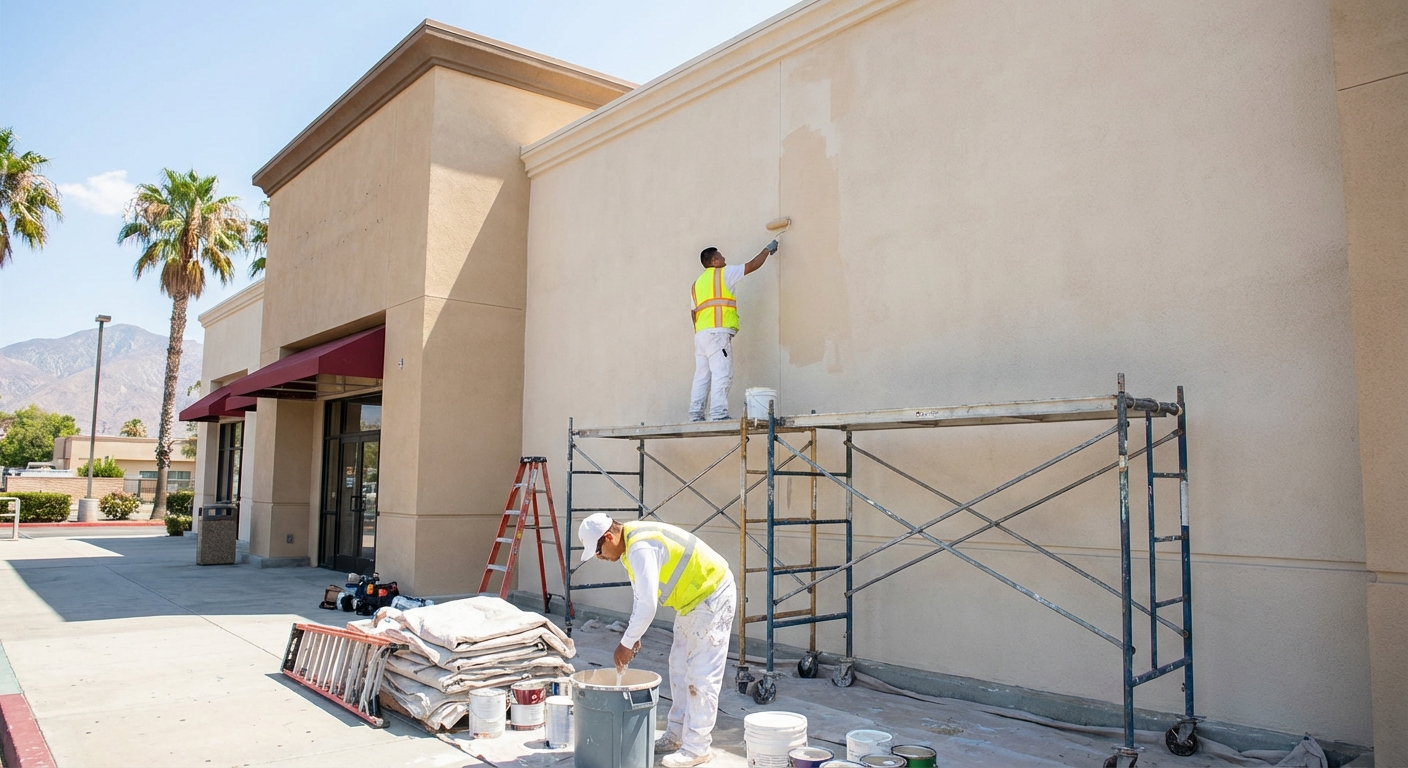
So here's what matters. If you're hiring painters to refresh your storefront, warehouse, or office space, you need more than a low bid and a handshake. You need proof of experience, clarity on scope, and a contractor who won't disappear halfway through the job. Every detail should be locked down in writing. Every timeline should account for your business hours. And every decision should be grounded in what the space needs — not just what looks good in a sample swatch.
Track Record Beats Marketing Every Time
A slick website doesn't mean a thing if the crew can't deliver. Before you hire anyone, dig into their history. How long have they been operating in Riverside? What kind of commercial projects have they completed? Retail is different from industrial. Office interiors require different prep than exterior facades. If they've never handled a job like yours, they're learning on your dime.
Ask for references. Not just names — actual contact info you can verify. Look at online reviews, but don't stop there. Check the Better Business Bureau. See if complaints were resolved or ignored. A painter with a solid reputation will have no problem showing you past work and connecting you with clients who'll vouch for them.
Licensing and Insurance Aren't Negotiable
If a contractor balks at showing proof of licensing or insurance, walk away. California requires contractors to be licensed, and Riverside has its own local regulations. A valid license means they've met minimum standards and can be held accountable if something goes wrong.
Insurance is just as critical. Liability coverage protects your property if there's damage. Workers' comp protects you if someone gets hurt on-site. Without both, you're exposed to lawsuits and out-of-pocket costs that could dwarf the original bid. Don't assume they're covered. Ask to see current certificates and verify them with the issuing company.
What's Included and What Costs Extra
Commercial painting involves more than rolling paint onto walls. Surface prep, repairs, priming, cleanup — all of that takes time and labor. Some contractors bundle it into their estimate. Others charge separately. If you don't clarify upfront, you'll get hit with add-ons halfway through the project.
Here's what to confirm before signing anything:
- Surface preparation, including sanding, patching, and cleaning
- Primer application and number of finish coats
- Protection of floors, furniture, and equipment
- Cleanup and disposal of materials
- Any specialty coatings or finishes required for your industry
Estimates Should Be Detailed, Not Vague
A one-page estimate with a lump sum and no breakdown? That's a red flag. You need to see exactly what you're paying for — materials, labor, prep work, timeline, and payment terms. If the estimate doesn't spell it out, you have no leverage when the scope changes or costs creep up.
Get at least three written bids. Compare them line by line. The cheapest option isn't always the best, especially if it skips steps or uses low-grade paint. The most expensive isn't always justified either. Look for transparency, not just a number. And make sure the estimate includes a start date, completion date, and what happens if the project runs over.
Timing Can Make or Break Your Operations
Painting a commercial space during business hours can disrupt employees, customers, and revenue. If you're running a retail shop, you can't afford to shut down for a week. If you're managing a warehouse, you need access to inventory and equipment.
Ask if the contractor can work nights, weekends, or in phases. Some painters specialize in minimizing downtime by scheduling around your operations. Others expect you to clear out and wait. Nail down the timeline before you commit, and build in buffer days for weather, supply delays, or unexpected repairs.
Paint Quality Determines How Long It Lasts
Not all paint is created equal. Cheap paint fades faster, chips easier, and requires more frequent touch-ups. High-traffic areas need durable, washable finishes. Exterior surfaces in Riverside's climate need UV resistance and moisture protection. If your contractor defaults to the lowest-cost option without explaining why, they're cutting corners.
Here's what to ask about materials:
- Brand and grade of paint being used
- Finish type — flat, eggshell, satin, semi-gloss, or gloss
- Primer requirements for different surfaces
- Specialty coatings for moisture, mold, or chemical resistance
- VOC levels if indoor air quality is a concern
Safety Protocols Protect Everyone
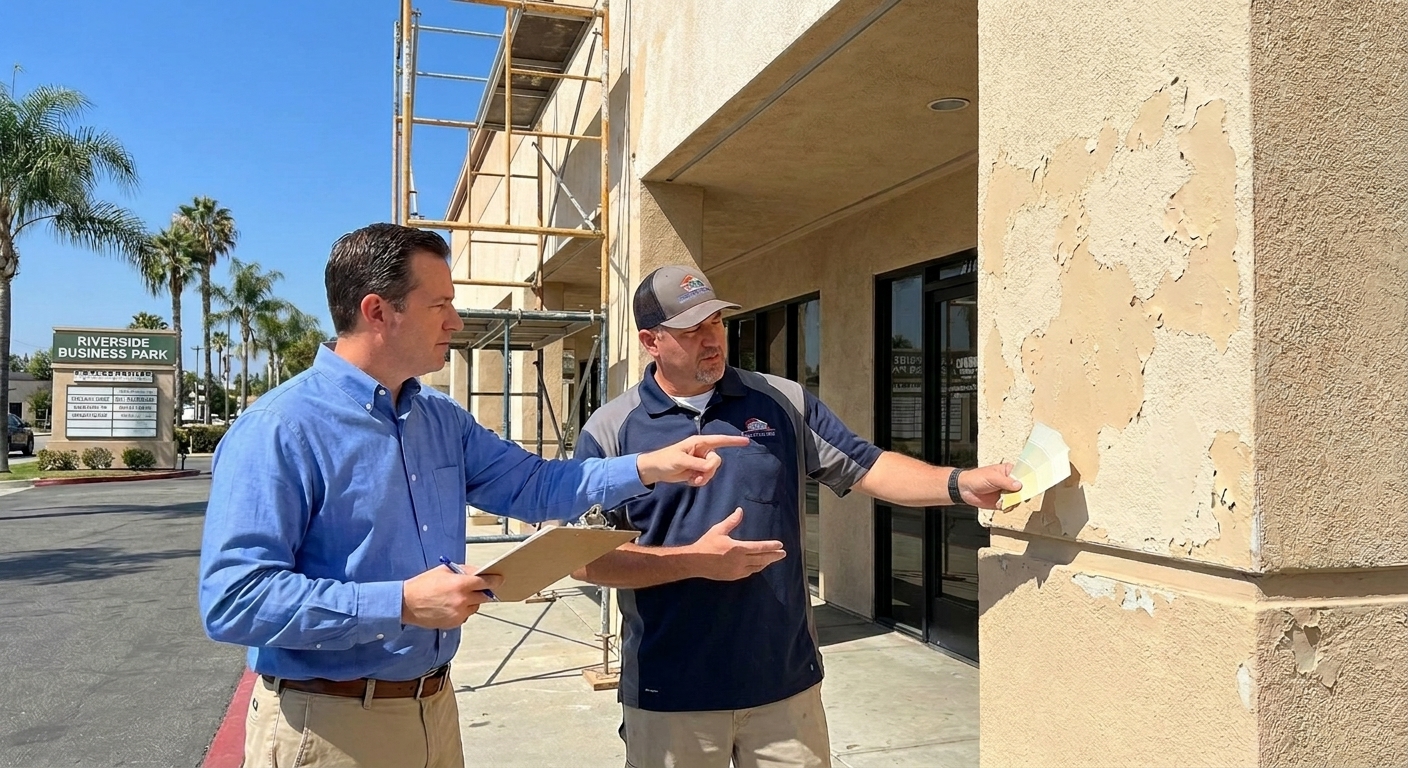
Commercial painting involves ladders, scaffolding, chemicals, and power tools. If the crew isn't following OSHA standards, someone could get hurt — and you could be liable. Make sure the contractor has a safety plan, especially if your building has multiple floors, confined spaces, or hazardous materials.
If your property was built before 1978, lead paint is a real possibility. Federal law requires testing and certified abatement if lead is present. Don't let a contractor skip this step. The fines and health risks aren't worth it. Understanding what to expect during a lead paint abatement project can help you prepare for the process and ensure compliance with all regulations.
Communication Separates Pros from Amateurs
A contractor who doesn't return calls or answer questions is a contractor who won't keep you updated during the job. You need someone who communicates clearly, responds promptly, and keeps you in the loop when issues arise. If they're hard to reach before you hire them, it only gets worse once the project starts.
Set expectations early. How often will you get progress updates? Who's your point of contact? What happens if you need changes mid-project? The more you clarify upfront, the fewer surprises you'll face later.
Warranties Show Confidence in the Work
A painter who stands behind their work will offer a warranty — usually one to three years on labor, and longer on materials depending on the manufacturer. Get it in writing. If the paint peels, cracks, or fades prematurely, you shouldn't have to pay for a redo.
Ask what's covered and what's not. Normal wear and tear? Probably not. Defects in application or materials? Absolutely. And find out how warranty claims are handled. If the contractor goes out of business or stops responding, that warranty is worthless.
What to Watch Out For
Plenty of businesses get burned by contractors who overpromise and underdeliver. Here's where most go wrong:
- Hiring based on price alone without checking credentials
- Skipping the contract and relying on verbal agreements
- Paying the full amount upfront before work is completed
- Ignoring red flags like missing insurance or vague timelines
- Failing to inspect the work before making final payment
When to Bring in a Pro
If your project involves multiple buildings, specialty finishes, or tight deadlines, you're in territory where experience matters. A professional commercial painter brings more than brushes and rollers. They bring project management, problem-solving, and the ability to deliver on time without cutting corners.
Here's what a good contractor handles for you:
- Accurate estimates with no surprise fees
- Scheduling that works around your operations
- Quality materials that match your environment and budget
- Safety compliance and proper insurance coverage
- Clear communication from start to finish
Get It Right the First Time
Hiring painters isn't just about making your building look better. It's about protecting your investment, maintaining your brand, and avoiding costly mistakes. There's no shortcut to doing it right. But there's also no excuse for settling when the right contractor is out there — licensed, insured, and ready to deliver quality work that lasts. Understanding the benefits of hiring licensed contractors for tenant improvements can help you make an informed decision that protects your business interests.
At the end of the day, your business deserves more than a quick coat and a handshake. It deserves a partner who understands commercial projects, respects your timeline, and backs up their work with a real warranty. Do your homework, ask the tough questions, and don't sign anything until you're confident you've found the right fit.
Let’s Paint Your Business Success
We know how important it is to keep your business looking sharp and running smoothly. When you’re ready to upgrade your space with a professional touch, let’s work together to make it happen—on your schedule and with zero surprises. Give us a call at 951-785-6765 or schedule an appointment and let’s get your project started the right way.
‹ Back
Recent Posts
-
-
Is Your Historic Home in Riverside Due for a New Paint Job?
September 17, 2026
-

Can Exterior Painting in Riverside Help Protect Stucco Surfaces?
September 3, 2026
-
-
Can Lead Paint Affect Your Remodeling Plans in Riverside?
August 6, 2026