

By using our website, you agree to the use of cookies as described in our Cookie Policy
Blog
Is Your Historic Home in Riverside Due for a New Paint Job?
Most homeowners think paint is just about looks. Color, finish, curb appeal. But your home's exterior coating does a lot more than that—and if you ignore it, you're setting up for damage. Paint isn't decoration. It's defense. Especially on a historic property where the materials underneath are older, more fragile, and way more expensive to replace than a few gallons of primer.
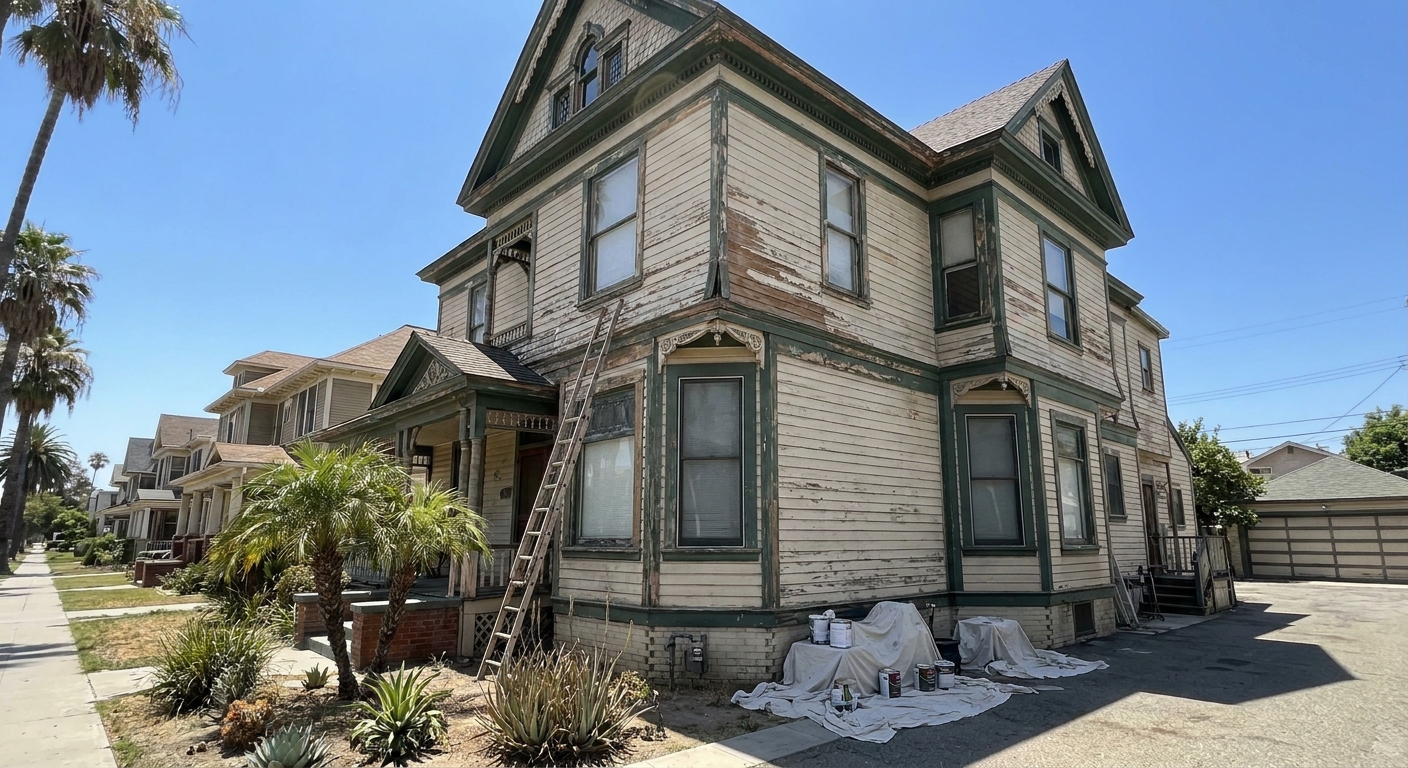
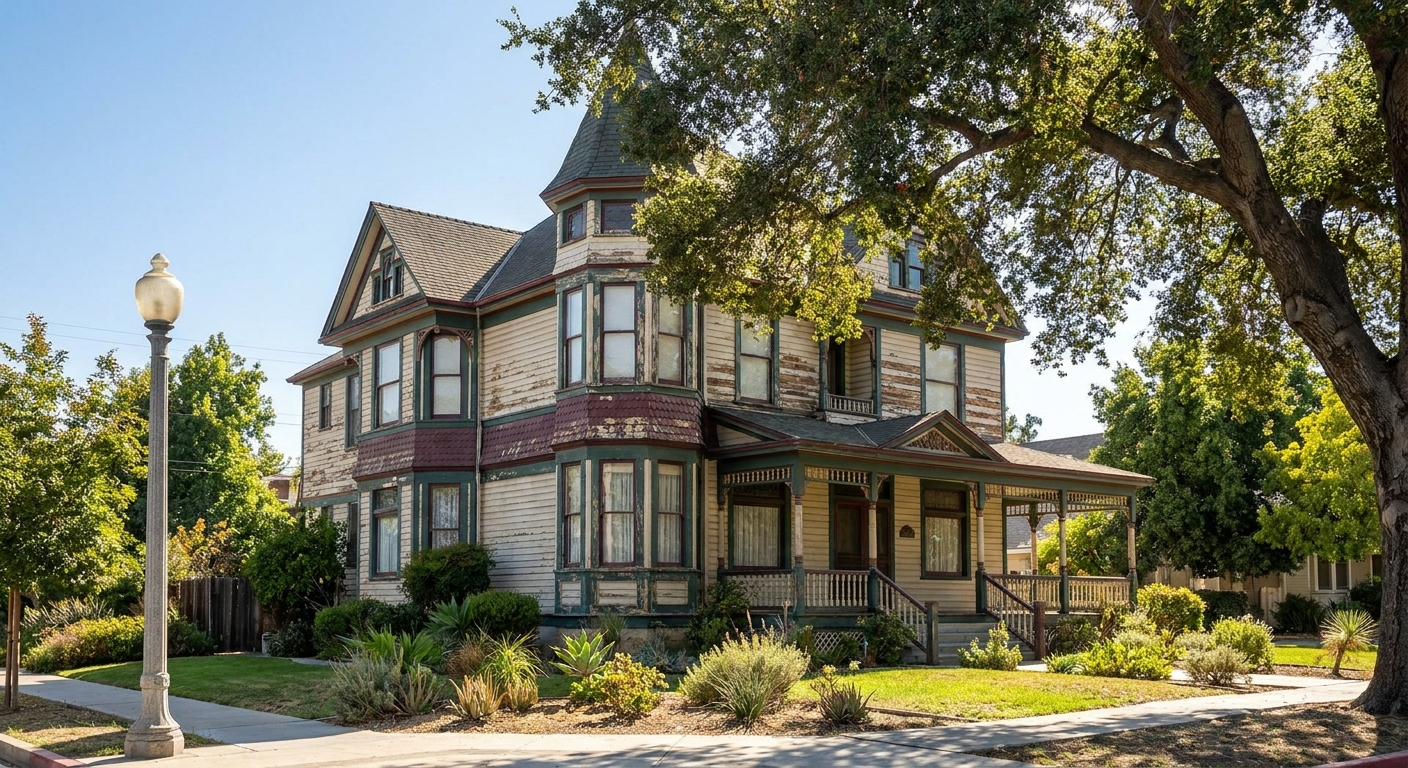
So here's the reality. If you own one of Riverside's classic homes—Victorian, Craftsman, Spanish Revival—you're sitting on something irreplaceable. But that beauty only holds up if the protection holds up. Every crack in the paint is an open door for moisture. Every faded panel is a sign that the barrier's breaking down. And every season you wait makes the fix harder and the bill higher.
Paint Isn't Cosmetic on Older Homes
You can't treat a century-old house like new construction. The wood siding, the original trim, the hand-carved details—they weren't built to sit exposed. Paint keeps water out, UV rays off the surface, and pests from burrowing in. Strip that protection away, and you're looking at rot, warping, and structural headaches that go way beyond aesthetics.
Riverside's climate doesn't help either. Sun beats down hard most of the year. Rain comes fast when it does. And that combination wears through exterior coatings faster than you'd think. A quality paint job isn't optional—it's maintenance. Skip it, and you're gambling with the integrity of materials you can't just swap out at the hardware store.
What Failing Paint Looks Like
Not sure if your home needs attention? The exterior will tell you. Paint doesn't just disappear overnight—it breaks down in stages. And once those stages start, the clock is ticking.
Here's what we see most often on historic properties in Riverside:
- Peeling or blistering across siding: When paint lifts or bubbles, moisture is getting underneath. That means the wood is exposed and vulnerable.
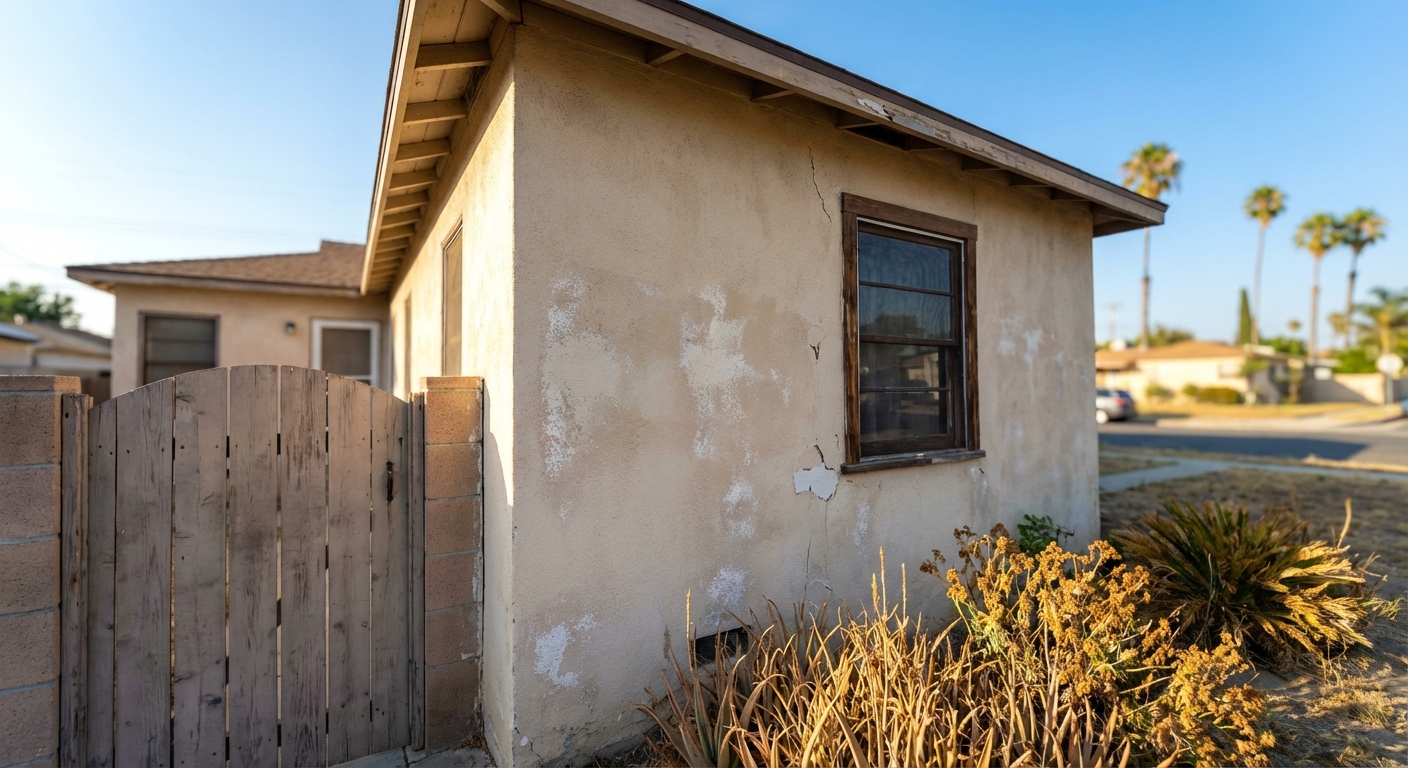
- Chalky residue when you touch the surface: Run your hand along the wall. If it comes back dusty, the paint is degrading and losing its protective layer.
- Faded or washed-out colors: Sun exposure bleaches pigment over time. If your home looks dull, the coating is probably thin and compromised.
- Bare wood showing through: Any spot where paint has worn completely off is a red flag. Exposed wood absorbs water fast.
- Dark streaks or spots from mildew: Mold and mildew thrive where moisture lingers. If you see growth, the paint isn't doing its job anymore.
What a Fresh Coat Actually Protects
Repainting isn't just about making your home look sharp again. It's about buying time—years of it—before you're dealing with serious repairs. A proper paint job seals gaps, reinforces joints, and creates a barrier that keeps the elements where they belong: outside.
Here's what you're protecting when you repaint on schedule:
- Original wood and millwork: These materials are expensive to source and restore. Keeping them sealed extends their lifespan indefinitely.
- Property value: Well-maintained historic homes hold their worth. Neglected ones lose it fast, and buyers notice peeling paint before they notice anything else.
- Structural soundness: Water damage starts small but spreads. Paint stops the infiltration before it becomes a framing issue.
- Historical character: Authentic details matter in Riverside's older neighborhoods. A quality repaint highlights them instead of hiding them.
- Energy efficiency: Cracked paint around windows and trim lets air leak. Repainting with proper caulking tightens things up and lowers utility costs.
Color and Product Choices Matter More Than You Think
Not all paint is created equal, and not every color belongs on a historic home. Riverside has neighborhoods with preservation guidelines, and even if yours doesn't, using period-appropriate palettes keeps your property authentic. That matters if you ever plan to sell—or if you just care about doing right by the architecture.
Work with someone who knows the difference between a Victorian color scheme and a mid-century one. And don't cheap out on the product. Low-grade paint might save you money upfront, but it fails faster and costs more in the long run. Understanding choosing the right paint designed for wood substrates and harsh sun exposure will outlast bargain brands by years.
Why DIY Gets Risky on Historic Properties
Painting a historic home isn't the same as rolling out fresh color on drywall. You're dealing with lead paint in historic homes in most pre-1978 homes. You're working with delicate trim that can't take aggressive scraping. You're prepping surfaces that may need wood filler, caulking, priming, and sanding before the first coat even goes on.
Here's what proper prep includes:
- Safe lead paint removal or encapsulation: This isn't optional. It's regulated, and doing it wrong can make you sick or get you fined.
- Surface repairs before priming: Cracks, gaps, and rot need to be fixed first. Paint won't hide structural issues—it'll just fail faster.
- Multiple primer and topcoat layers: One coat doesn't cut it. Historic homes need build-up for real protection.
- Caulking around windows, doors, and trim: Water gets in where joints aren't sealed. This step matters more than color.
- Choosing breathable coatings for old wood: Modern paints can trap moisture if they're not formulated for older substrates. That leads to peeling and rot from the inside out.
When to Bring In a Pro Who Gets It
If your home was built before 1950, you're in specialty territory. Not every painter knows how to handle historic materials, and not every crew bothers with the details that matter. You need someone who understands the difference between covering up a problem and actually solving it.
A good historic painting contractor will walk the property with you, point out trouble spots, and explain steps before painting your Riverside home exterior before the brush even comes out. They'll know local preservation standards. They'll have lead-based paint abatement services certification. And they won't rush the prep just to get to the fun part.
Protection You Can See from the Curb
Riverside's historic homes aren't just buildings—they're landmarks. Treating them like any other paint job is a mistake that shows. But when you take the time to do it right, the results speak for themselves. Fresh, authentic color. Tight seals around every edge. Wood that's protected for another decade or more.
We help homeowners in Riverside keep their historic properties looking sharp and structurally sound. Understanding why professional painters are essential for historic homes and knowing best time for exterior painting in Riverside will help you protect your investment. If your home's showing the signs, don't wait for the damage to spread. A quality paint job now saves you from costly repairs later—and keeps your piece of Riverside history standing strong for the next generation.
Let’s Protect Your Riverside Home Together
Our historic homes deserve the kind of care that keeps them beautiful and resilient for years to come. If you’re ready to give your property the protection it needs, let’s talk about the best way forward. Call us at 951-785-6765 or schedule an appointment—we’re here to help you preserve what makes your home special.
‹ Back
Recent Posts
-
Is Your Historic Home in Riverside Due for a New Paint Job?
September 17, 2026
-

Can Exterior Painting in Riverside Help Protect Stucco Surfaces?
September 3, 2026
-
-
Can Lead Paint Affect Your Remodeling Plans in Riverside?
August 6, 2026
-