

By using our website, you agree to the use of cookies as described in our Cookie Policy
Blog
Are Your Riverside Tenant Improvements Ready for Painting?
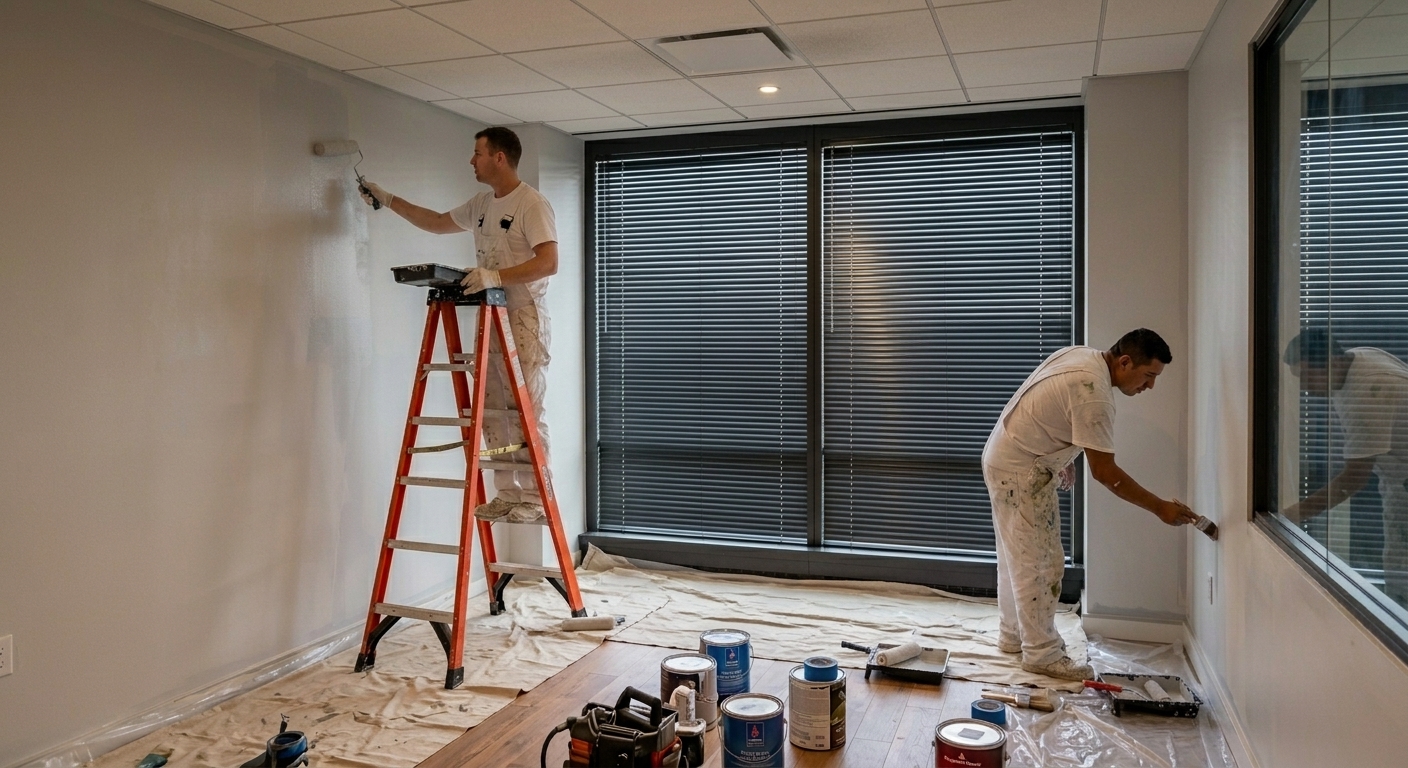
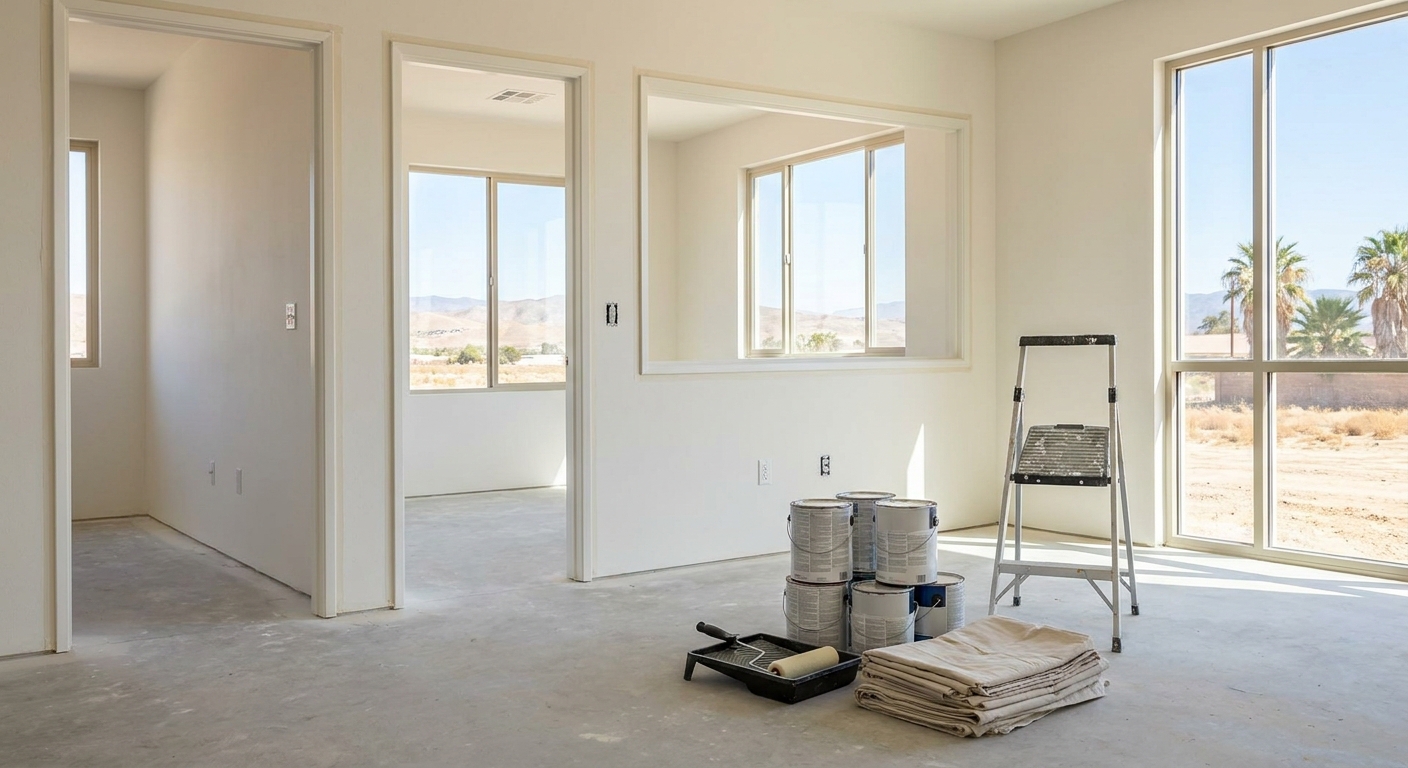
Most property managers think paint is just the final step. Slap it on, call it done. But the finish line isn't where you want to discover cracks in the drywall or moisture creeping through the baseboards. Paint doesn't hide problems — it broadcasts them. And if your tenant improvements aren't dialed in before the first roller touches the wall, you're setting yourself up for callbacks, complaints, and cash burned on rework.
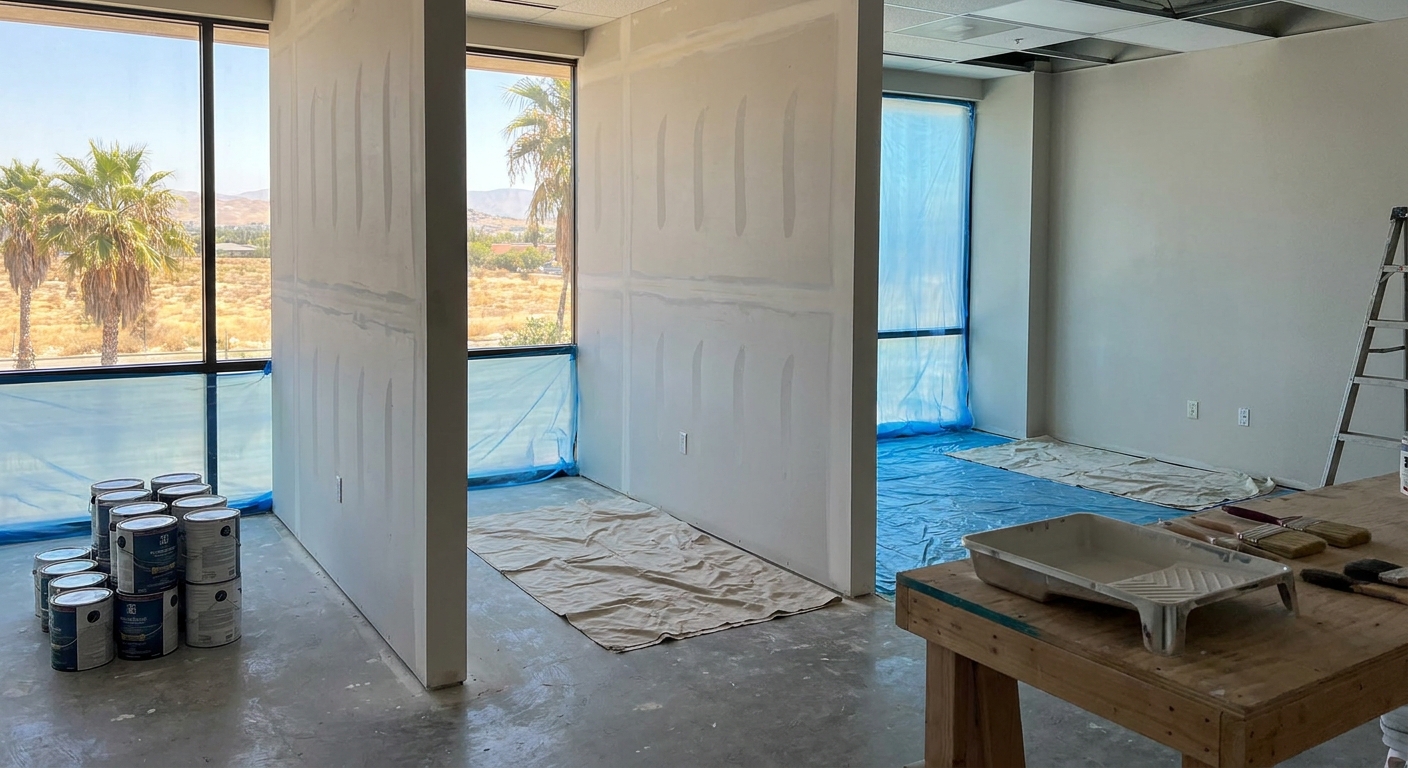
So here's what matters. Your space needs more than just primer and color swatches. It needs structural integrity, clean surfaces, proper curing time, and a plan that accounts for Riverside's heat and dust. Every surface should be inspection-ready. Every repair should be locked in. And every decision should reflect what the space will endure — not just how it looks on move-in day.
Construction Has to Be Finished First
You can't paint around active trades. Drywall dust, electrical pulls, plumbing adjustments — all of that leaves residue and risk. If the framers are still cutting studs or the HVAC crew is patching ceiling gaps, paint becomes a target for damage. We've seen too many jobs where fresh walls got dinged by ladders or coated in sawdust because scheduling got sloppy.
Lock down the build before you book the painters. That means electrical boxes mounted, trim installed, flooring protected, and all punch-list items cleared. Paint should be the victory lap, not the opening act.
Surface Prep Separates Clean Jobs from Disasters
Walls lie. They look smooth until the light hits them at the wrong angle. Patched seams, nail pops, and tape lines all show up under paint — especially in Riverside's bright sun pouring through commercial windows. If the drywall crew rushed the mud or skipped a sand pass, you'll see it. And your tenants will too.
Every surface getting painted should be wiped down, sanded where needed, and inspected for defects. Grease, dust, and old adhesive residue kill paint adhesion. Moisture stains signal bigger problems. Take the time to fix what's underneath, or the topcoat won't matter.
Primer Isn't Optional on Fresh Drywall
New drywall is porous. It drinks paint unevenly and leaves you with blotchy coverage and wasted gallons. Primer seals the surface, evens out absorption, and gives your finish coat something to grip. Skipping it might save an hour, but it costs you in color consistency and durability.
Patched areas need spot priming too. Even if the rest of the wall has been painted before, fresh mud stands out without a primer coat. We treat it like insurance — cheap upfront, expensive to skip.
Timing the Cure Matters More Than You Think
Drywall compound, plaster, and even some adhesives need time to fully dry. Paint over damp material and you're inviting blisters, peeling, and mold growth down the line. Riverside's dry heat helps, but it's not a substitute for patience. If the compound was applied thick or the air conditioning hasn't been running, give it extra days.
Touch the surface. If it feels cool or soft, it's not ready. If it's chalky or crumbling, it wasn't mixed right. Either way, don't paint it. Wait until everything's bone dry and fully cured, or you'll be back with a scraper and a bad mood.
What Actually Needs Protection Before the Brushes Come Out
Paint goes everywhere. Floors, fixtures, windows, door hardware — if it's not covered, it's getting hit. We've learned this the hard way more than once, and so has every contractor who's tried to scrape dried latex off new LVP flooring.
Here's what gets masked or covered every time:
- Flooring and baseboards, even if they're getting replaced later
- Light fixtures, outlets, and switch plates
- Window frames and glass
- Door hardware and hinges
- HVAC vents and returns
Ventilation and Temperature Control Can Make or Break the Job
Riverside heat is no joke, and paint doesn't behave the same at 95 degrees as it does at 70. High temps cause paint to dry too fast, leading to lap marks and poor leveling. Low airflow traps fumes and slows curing. If the space isn't conditioned or ventilated, you're gambling with the outcome.
Run the HVAC if it's installed. Crack windows if it's not. Keep air moving and temperature stable. And if you're painting during a heatwave, start early in the morning or push the schedule. Rushing through bad conditions just means repainting later.
Picking Paint That Holds Up to Real Use
Not all paint is built the same. High-traffic commercial spaces need tougher finishes than a back office. Retail storefronts, restaurant dining rooms, and medical suites all take abuse — carts, chairs, cleaning crews, and constant contact. Flat paint might look nice, but it won't survive the first wipe-down.
We default to semi-gloss or satin in most commercial builds. It's scrubbable, durable, and hides wear better than flat. For spaces with air quality concerns or sensitive occupants, low-VOC or zero-VOC formulas are worth the upcharge. They cost a little more per gallon, but they don't compromise indoor air or trigger complaints.
Color Choices That Work for Tenants and Future Flexibility
Neutral tones aren't boring — they're smart. Grays, whites, and warm beiges appeal to the widest range of tenants and make spaces feel larger and cleaner. Bold accent walls can add personality without boxing in future use. Just don't go wild on every surface unless the tenant specifically requested it.
If the lease allows tenant customization later, stick with a base palette that's easy to touch up or repaint. We've seen landlords regret custom colors that require full repaints between tenants because the shade was discontinued or impossible to match.
What a Final Walkthrough Should Catch Before Painting Starts
Walk the space with your contractor, property manager, or lead painter before the first can opens. Look for anything that'll cause a problem once paint goes on. Check corners, seams, edges, and transitions. Run your hand along the walls. Shine a light across surfaces to spot imperfections.
Here's what we're looking for on every pre-paint inspection:
- Completed drywall with no visible seams or fasteners
- All holes, cracks, and gaps properly patched and sanded
- Clean, dust-free surfaces
- Fully cured compounds and adhesives
- Protected floors, fixtures, and finishes
Common Mistakes That Cost Time and Money
Even experienced property managers slip up on commercial painting for tenant improvements. The mistakes aren't always obvious until the damage is done. We've seen too many rushed jobs where the paint looked fine on day one and fell apart by move-in.
Skipping the Primer to Save a Few Bucks
It's tempting to cut corners when budgets are tight. But primer isn't a luxury — it's foundational. Without it, topcoats don't adhere properly, colors look uneven, and durability tanks. You'll end up repainting sooner, which costs more than the primer ever would have.
Ignoring Moisture Issues
Riverside might be dry most of the year, but water intrusion still happens. Leaky roofs, plumbing issues, and poor drainage all leave moisture behind. Paint over it and you'll see bubbling, peeling, and mold within months. Fix the source first, let it dry completely, then paint.
Painting Before HVAC Is Balanced
Temperature swings and poor airflow mess with paint curing. If the HVAC isn't dialed in, paint takes longer to dry, smells linger, and finishes don't harden properly. Get the system running and balanced before the crew shows up.
Questions Property Managers Ask Before They Paint
Can we paint if the flooring isn't in yet?
You can, but it's risky. If the flooring crew damages the walls during installation, you're repainting. We usually recommend waiting until flooring is done, then touching up any scuffs before final paint.
How long should we wait after drywall to paint?
At least 24 hours for standard joint compound, longer if it was applied thick or if humidity is high. In Riverside's dry climate, most jobs are ready in a day or two. Just make sure it's fully dry before you prime.
Do we need different paint for bathrooms and kitchens?
Yes. Those spaces see more moisture and cleaning. Semi-gloss or satin finishes with mold-resistant formulas hold up better and are easier to maintain.
Why Cutting Corners on Prep Always Comes Back to Haunt You
Paint is visible. It's one of the first things tenants notice and one of the last things contractors touch. If it's done wrong, everyone sees it. And unlike a hidden plumbing fix or an electrical rough-in, bad paint sticks around — literally.
We've worked with enough Riverside landlords and property managers to know that prep time pays off. Clean surfaces, proper priming, and attention to detail don't just make the job look better. They make it last longer, reduce maintenance calls, and keep tenants happy. There's no shortcut that's worth the headache of repainting six months in.
Getting It Right Means Planning Ahead
Paint isn't magic. It won't fix bad drywall, cover up moisture damage, or make a rushed job look polished. But when the space is prepped right, the timing is smart, and the materials match the use, paint transforms tenant improvements from construction zones into move-in-ready assets.
We've guided property teams through hundreds of Riverside tenant improvement projects, and the ones that go smoothest are the ones where painting gets the respect it deserves. Not as an afterthought, but as a planned, properly sequenced finish that protects the investment and delivers results tenants actually want to see. Hiring licensed contractors for tenant improvements ensures compliance, quality, and long-term durability. Whether you need help with residential painting or professional painting services, having the right team makes all the difference. If you're ready to move forward, contact us to discuss your project.
Let’s Make Your Next Tenant Improvement a Success
We know how much is riding on a flawless paint job for your Riverside tenant improvements. Let’s work together to make sure every detail is handled right, from prep to final walkthrough. If you’re ready to get started or have questions about your project, give us a call at 951-785-6765 or schedule an appointment and let’s bring your space to life with results you’ll be proud of.
‹ Back
Recent Posts
-
Are Your Riverside Tenant Improvements Ready for Painting?
October 15, 2026
-
-
Is Your Historic Home in Riverside Due for a New Paint Job?
September 17, 2026
-

Can Exterior Painting in Riverside Help Protect Stucco Surfaces?
September 3, 2026
-