



By using our website, you agree to the use of cookies as described in our Cookie Policy
Blog
Is Lead Paint Still a Risk in Older Riverside Neighborhoods?
Most homeowners think old paint is just cosmetic. Peel it, patch it, move on. But if your house went up before 1978, there's a good chance you're sitting on layers of lead-based coating — and that's not something you can ignore. Lead doesn't announce itself. It hides under fresh coats, settles into dust, and waits for renovation work or weather damage to stir it back up. By then, the exposure's already happening.
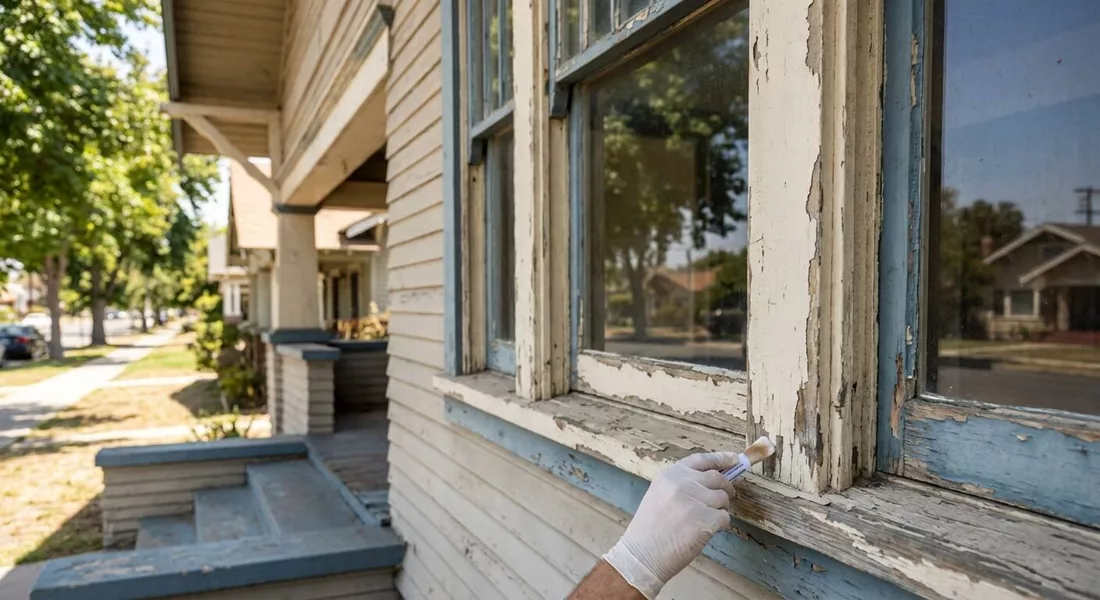
So here's what matters. Riverside's older blocks are full of character — craftsman details, original trim, solid bones. But those same features often come with lead hazards baked into the walls. If you're buying, renovating, or raising kids in one of these homes, you need to know what you're dealing with. Not later. Now.
Why Pre-1978 Homes Still Carry the Problem
Lead-based paint was the standard for decades. It dried hard, held color, and lasted longer than anything else on the market. That's why builders used it everywhere — interiors, exteriors, trim, windowsills. The federal ban didn't hit until '78, which means any home built before that date is a candidate. And in Riverside, where whole neighborhoods date back to the early and mid-20th century, you're looking at a widespread footprint.
Even if someone slapped new paint over it years ago, the lead's still there. It doesn't evaporate. It doesn't lose potency. And the moment that old layer starts breaking down — through age, moisture, or friction — it becomes a live threat. Dust on the floor, chips near the baseboards, flakes in the yard. All of it counts.
What Happens When Lead Gets Into the Body
Lead is a neurotoxin, and it doesn't take much to cause damage. Kids absorb it faster than adults, and their developing brains pay the price. We're talking about learning delays, attention problems, behavioral issues — things that don't show up on a home inspection but can derail a childhood.
Adults aren't immune either. Chronic exposure can spike blood pressure, damage kidneys, and mess with reproductive health. The CDC has made it clear: there's no safe level of lead in a child's bloodstream. Zero threshold. That's not a suggestion to be cautious — it's a mandate to eliminate the risk entirely.
Where the Hazards Hide
Lead paint doesn't always look dangerous. Sometimes it's intact and stable. But certain spots are more prone to trouble, and those are the ones you need to watch:
- Window frames and sills, where friction from opening and closing creates dust
- Door jambs and trim that get bumped or scraped regularly
- Exterior surfaces exposed to sun, rain, and temperature swings
- Porches and railings that see heavy use and weathering
- Soil near the foundation, especially if exterior paint has flaked off over the years
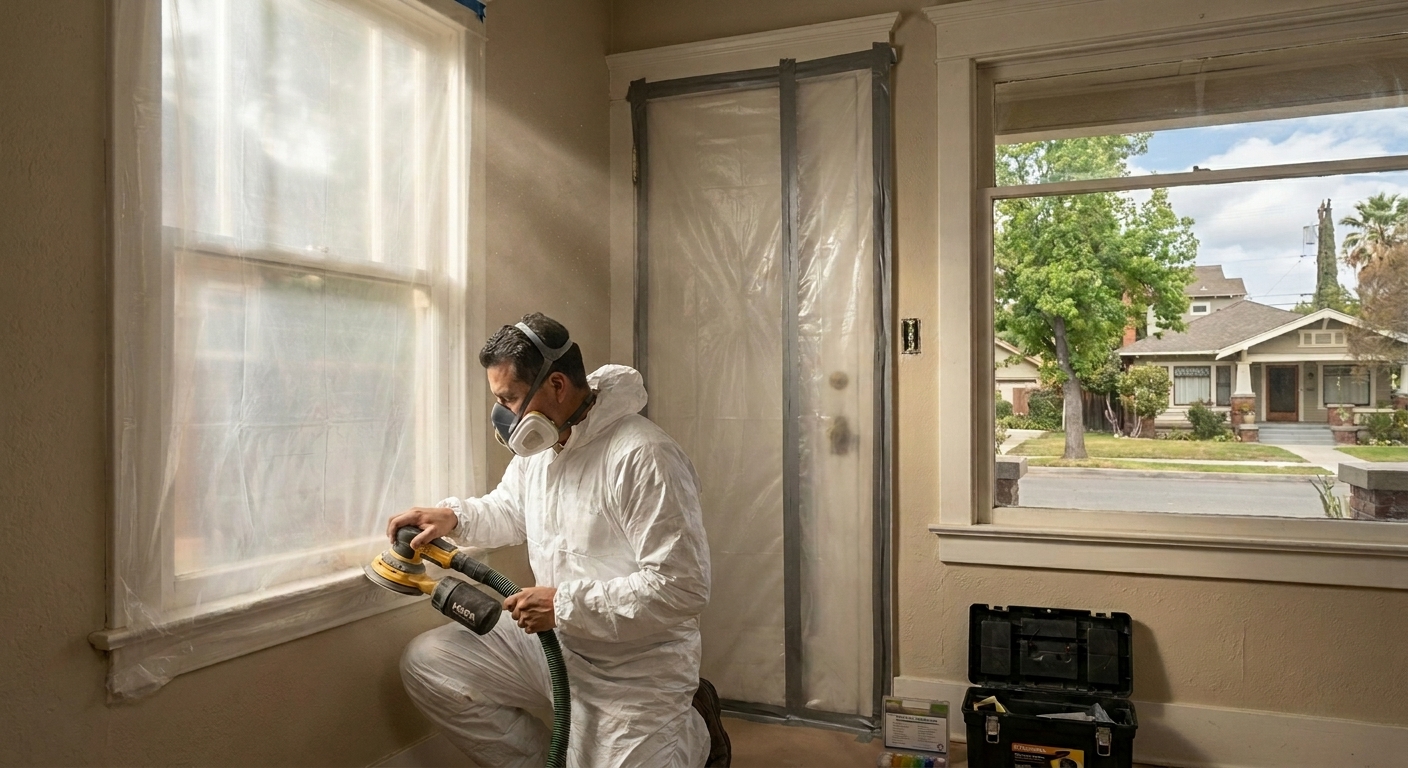
Renovation work is where things get messy fast. Sanding, scraping, or demolition can release lead particles into the air and spread them throughout the house. If you're planning any kind of remodel in an older Riverside home, you need to test first and contain the work area. Skipping that step isn't just risky — it's reckless.
How to Confirm What You're Dealing With
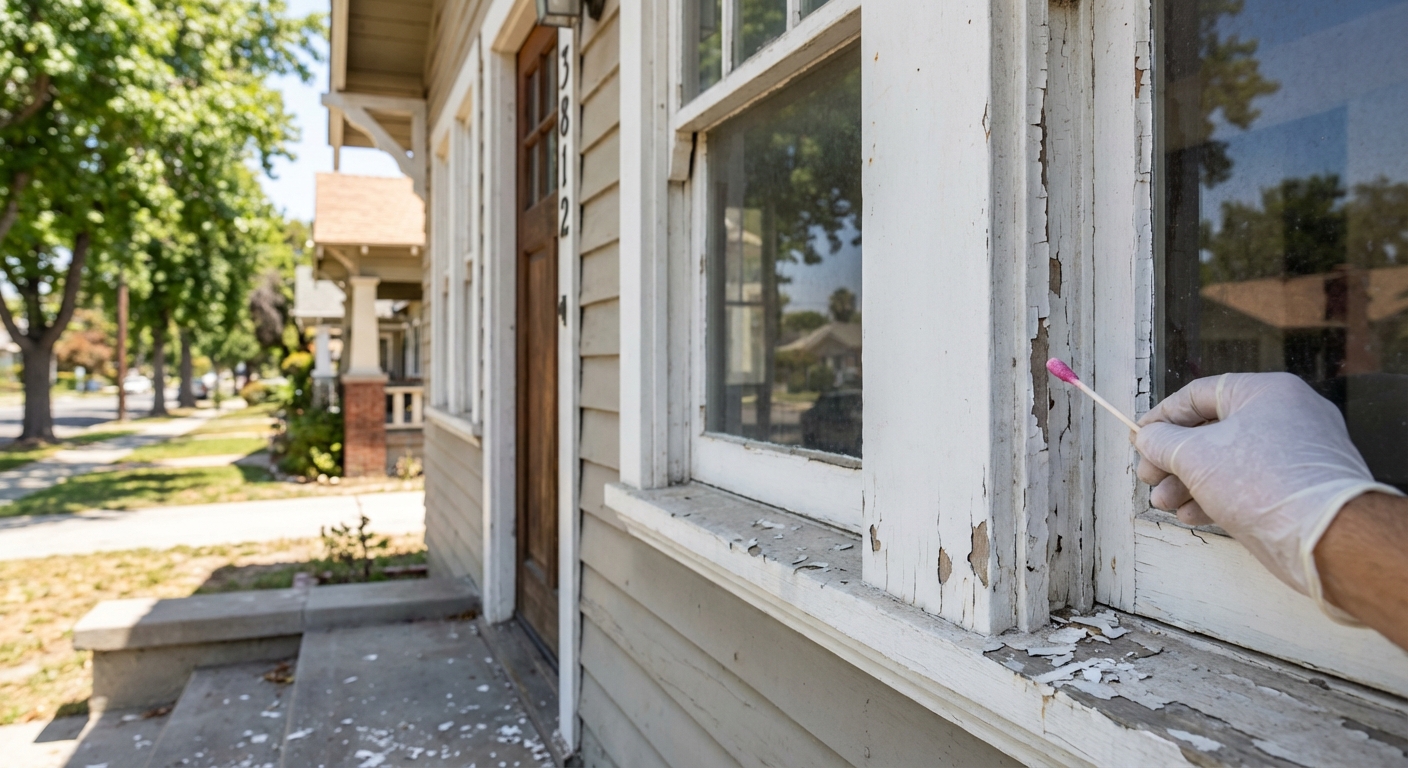
You can't eyeball lead paint. It doesn't have a smell or a telltale color. The only way to know for sure is to test. DIY kits exist, but they're not always reliable. A certified lead inspector uses XRF technology to detect lead in paint, dust, and soil — and they'll give you a report that breaks down exactly where the hazards are and how severe.
If you're buying a home built before 1978, federal law requires the seller to disclose known lead hazards and provide you with an EPA-approved pamphlet. You also have the right to a 10-day window to conduct your own inspection. Use it. That disclosure form isn't a guarantee the home is safe — it's just a record of what the seller knows, which might be nothing.
Your Options for Dealing With It
Once you know lead paint is present, you've got choices. The right one depends on the condition of the paint, your budget, and how the space is used:
- Encapsulation seals the lead paint with a thick, durable coating that prevents exposure
- Enclosure covers lead-painted surfaces with new materials like drywall or paneling
- Removal strips the lead paint entirely, but it's expensive and must be done by certified pros
- Interim controls focus on stabilizing deteriorating paint and cleaning up dust regularly
- Replacement swaps out lead-painted components like windows or doors with new, lead-free versions
Whatever route you take, don't DIY it. Lead paint abatement isn't a weekend project. Improper handling can make the problem worse by spreading contaminated dust throughout the house. Hire someone who's EPA-certified and knows how to contain, remove, and dispose of lead safely.
Maintenance Habits That Lower the Risk
If you're living with lead paint that's in good shape, you can manage the risk with smart upkeep. Keep painted surfaces intact. Repair any chips or peeling immediately. Wet-mop floors and wipe down windowsills weekly to control dust. Don't let kids play in bare soil near the house if exterior paint has deteriorated.
And if you're doing minor repairs — patching a wall, replacing a light fixture — use containment practices. Lay down plastic, wet down surfaces before sanding, and clean up thoroughly with a HEPA vacuum. It's not paranoia. It's basic protocol.
Where to Get Help in Riverside
You're not on your own here. Riverside County offers resources for lead testing, risk assessments, and sometimes financial assistance for abatement. The EPA and HUD both maintain databases of certified inspectors and contractors. Local health departments can point you toward testing services and educational materials.
If you're a renter, California law requires landlords to disclose lead hazards and address them if they pose a risk. You have the right to request testing and remediation. Don't assume someone else has handled it. Ask the questions. Get the paperwork.
What Happens If You Ignore It
Lead exposure doesn't always show symptoms right away. By the time a child's blood lead level is high enough to trigger high enough to trigger concern, the damage may already be done. Cognitive effects can be permanent. Behavioral issues can persist into adulthood. And the cost of medical care, special education, and lost potential far outweighs the cost of testing and abatement.
For adults, chronic exposure can lead to long-term health problems that don't resolve once the exposure stops. Kidney damage doesn't reverse. Neurological effects linger. The financial and emotional toll adds up fast.
Protecting What Matters Most
Riverside's older neighborhoods offer something rare — history, craftsmanship, and a sense of place you don't find in newer developments. But that charm comes with responsibility. Lead paint is a solvable problem, not an inevitable one. Test your historic Riverside home. Hire professional painters for historic homes. Keep surfaces maintained. And don't wait for a crisis to take action. The risk is real, but so are the tools to eliminate it. Understanding safe lead paint removal methods and working with lead-based paint abatement services can help you protect your family. For comprehensive support with your residential painting needs, use them.
Let’s Make Your Home Safer Together
We all want peace of mind when it comes to our families and our homes. If you’re concerned about lead paint in your Riverside property, let’s take the next step together. Reach out to us at 951-785-6765 and let’s talk about your options. When you’re ready to move forward, schedule an appointment and we’ll help you create a safer, healthier space for everyone under your roof.
‹ Back
Recent Posts
-
-
Is Your Historic Home in Riverside Due for a New Paint Job?
September 17, 2026
-

Can Exterior Painting in Riverside Help Protect Stucco Surfaces?
September 3, 2026
-

-
Can Lead Paint Affect Your Remodeling Plans in Riverside?
August 6, 2026